This article shows how to improve your invoice processing workflow, from the first set-up to advanced automation. With case studies from Riviera Travel and Leeds City Council, it shows the real benefits of automation, including big time savings and more accurate data. It sets out clear steps to prepare, implement and keep improving, so finance runs more efficiently and sustainably.
Key Take Away
The key takeaway: automating invoice processing brings big benefits. Invoice automation turns slow, manual invoice tasks into a fast, accurate and cost-effective workflow. It makes you more efficient and frees people for strategic work. That leads to better supplier relationships and a stronger bottom line.
Introduction to Invoice Processing
Invoice processing is a key part of financial management. It covers receiving, processing and paying supplier invoices. Its job is to make sure payments are accurate, on time and match what was agreed. Traditional methods are manual. They rely on paper invoices, physical sign-offs and typing data into finance systems. This raises the risk of errors and slows payments, which hurts relationships and cash flow.
Efficient invoice processing isn’t just convenient. It is a strategic must. Good workflows cut costs, improve accuracy, strengthen supplier relationships and help you manage cash flow. As businesses grow, invoice volumes rise, so the need for a simpler process grows too. Adopting best practice early sets you up for sustainable growth.
Invoice Processing Workflow
The traditional way of processing invoices involves a series of manual steps, each with its own problems:
- Invoice receipt: Invoices arrive in different formats, such as paper, email or PDF, and must be sorted before processing.
- First check: Each invoice is checked by hand to make sure it is complete and matches the purchase order and delivery receipt.
- Data entry: Invoice details (supplier name, date, amount and so on) are typed into the accounting or finance system.
- Matching: Invoices are matched to purchase orders and proof of delivery, which needs close attention to detail.
- Approval routing: Invoices are sent to the right managers for approval, often on paper, which can cause delays.
- Final approval and payment: Once approved, payment is scheduled and made according to the invoice terms. This means another round of manual entry and checks.
Challenges of Manual Processing
Doing these steps by hand creates several problems that hurt efficiency and raise costs:
- Longer processing time: Every manual step adds time, which delays payments.
- More errors: Manual data entry and checks make mistakes more likely, leading to discrepancies and reconciliation problems.
- Hard to scale: As invoice volumes grow, manual processes can’t keep up.
- Poor visibility: It is hard to track an invoice through approval and payment, which can lead to duplicates and missed payments.
- Higher costs: Manual processing takes a lot of labour, which raises the cost of each invoice.
The Need for Change in Invoice Processing
The Shift to Automated Invoice Processing
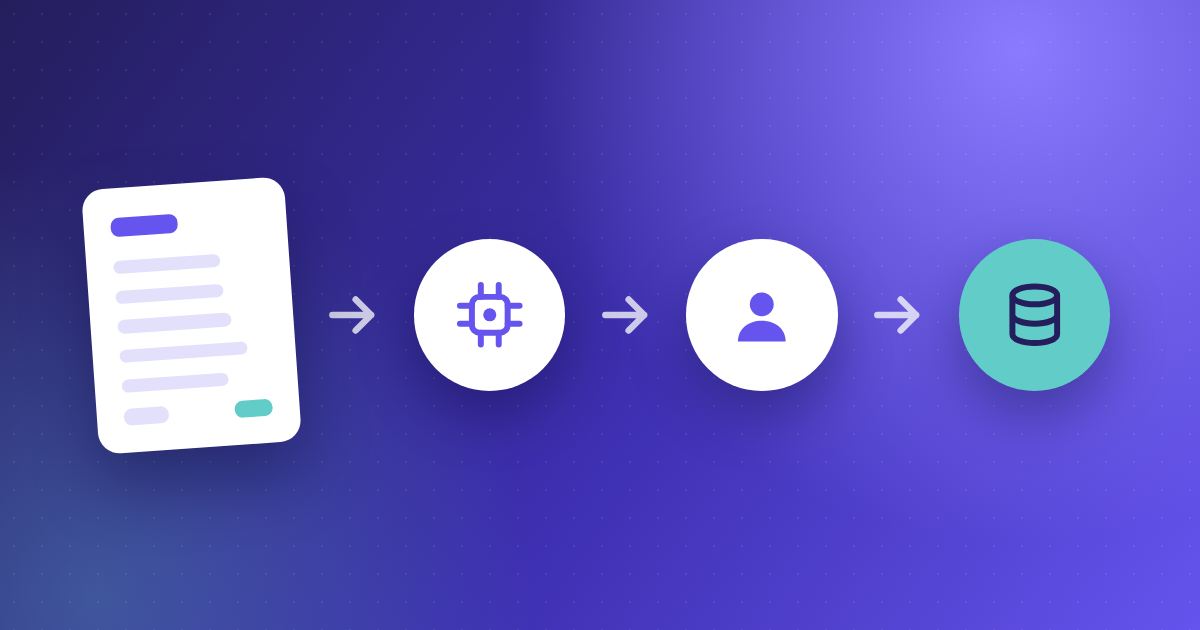
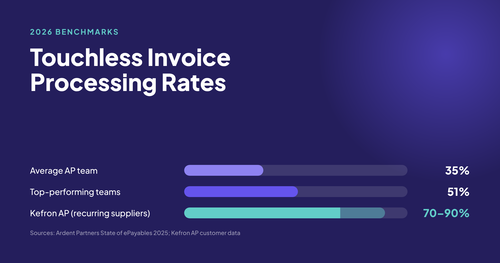
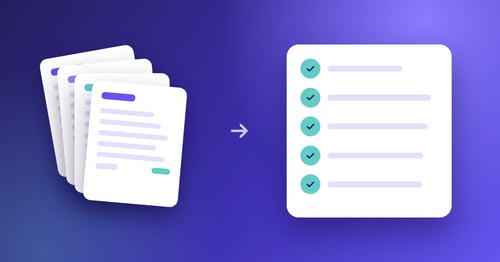
Automation is transforming invoice processing. It replaces clunky, error-prone manual work with a fast, efficient workflow. With software like Kefron AP, invoices are digitised on arrival, data is extracted and checked automatically, and invoices are sent for approval through set workflows. This cuts the risk of human error and speeds up processing a great deal, so you can take early payment discounts and avoid late fees.
Key Features and Benefits of Automation
Automated invoice processing offers a range of features that improve efficiency and accuracy. These include automatic data capture, electronic matching against purchase orders, live tracking of invoice status and integration with your finance systems for smooth payments. The result is much lower processing costs, happier suppliers thanks to timely payments and a clearer view of what you owe and your cash flow. Automation also lets you grow without adding admin, so growth doesn’t cost you control or efficiency.
Technologies Behind Invoice Processing Automation
Invoice processing software is at the heart of moving from manual to automated invoice handling. It manages the whole invoice lifecycle, from receipt to payment, and uses digital technology to improve accuracy, speed and efficiency. Key features usually include digital invoice capture, automatic data extraction and validation, electronic matching and approval routing and smooth integration with accounting systems. Kefron AP offers end-to-end automation that greatly reduces manual work while keeping financial data accurate. There are many solutions on the market for different business sizes and industries, so choose one that fits your needs and can grow with you.
Emerging Technologies in Invoice Automation
Artificial intelligence (AI) and machine learning (ML) are driving invoice automation forward. They let software “learn” and improve over time. It gets better at spotting patterns, extracting data and even predicting trends from past information. AI and ML support several key functions:
- Smart data capture: AI improves OCR, so the system can read many invoice formats and extract the right data without set templates.
- Automated decisions: Machine learning studies past decisions, such as how certain invoices were processed or approved, and automates similar decisions in future. This means less manual input.
- Fraud detection and compliance: Advanced algorithms can spot unusual activity that may signal fraud or compliance issues, and alert you to the risk.
- Predictive analytics: By studying payment history and supplier behaviour, AI can suggest the best time to pay to win discounts or improve cash flow.
These technologies make invoice processing more efficient and accurate. They also give you deeper insight into your finances, so you can make more strategic decisions. As AI and ML improve, they will make invoice processing even more predictive, adaptive and strategic.
Transitioning to Automated Invoice Processing
Moving to automated invoice processing combines technology integration with change management. Start with a full review of how you handle invoices today, to find inefficiencies and error-prone areas. This shows which processes to automate and helps you set clear, measurable goals, such as better cash flow, more accuracy or lower costs. Choosing the right software is crucial. Research carefully to make sure it works with your systems, can grow with you and meets your needs, including support for AI and machine learning.
Implementing invoice automation changes how you manage finances, with big efficiency gains and cost savings. Success depends on good team training and a phased rollout. Make sure staff can use the new system well, so disruption is low and benefits are high. A pilot lets you find and fix issues on a small scale first, so the company-wide rollout is smoother. After go-live, keep monitoring and gathering feedback, and adjust workflows and settings to get the best results.
Automated invoice processing workflow
Invoice Receipt and Digital Conversion
Every invoice, whatever its original format (paper, email, PDF and so on), is digitised. This means all invoices are handled the same way in digital form, which makes processing easier.
Automatic Data Extraction and Validation
Using ML and AI, the system extracts key information from each invoice, such as supplier details, invoice number, amounts and line items. It then checks this data against existing records like purchase orders and delivery receipts, so there is far less manual input and checking.
Electronic Invoice Matching and Approval Routing
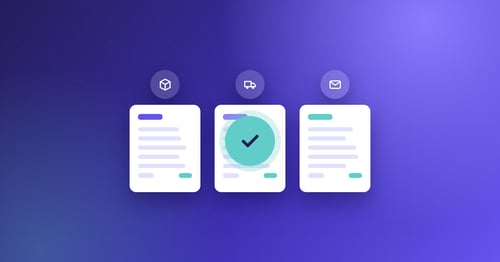
The software matches invoices to the right purchase orders and delivery notes. Invoices that match are sent automatically to the right approvers based on set rules. Any discrepancies are flagged for review, so only correct invoices move forward.
Automated Approvals
Approvers are notified to review and approve invoices in the system, even remotely on mobile. This speeds up approvals and cuts the time from receipt to approval. If there is a dispute, the system can send the invoice to the right people to resolve it quickly.
Comprehensive Reporting and Insights
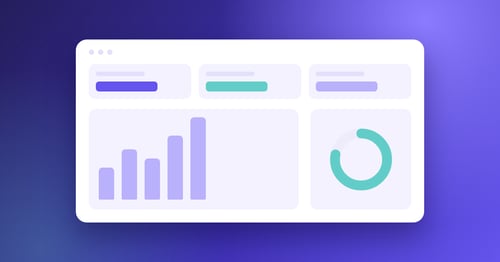
With all invoice data processed and stored digitally, the system produces detailed reports and insights. These show key metrics such as processing times, cost savings and supplier payment performance. You can use this data to spot trends, forecast cash flow more accurately and plan improvements.
Comparison with Traditional Methods
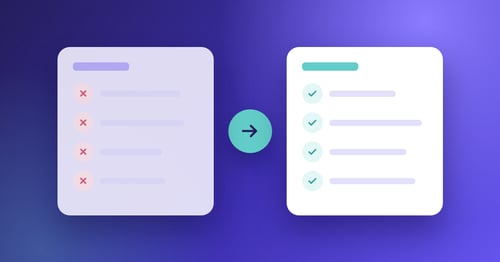
Automated invoice processing is a big improvement on manual methods. Manual processing means slow data entry, frequent errors and lots of paper. Automation creates a fast, efficient workflow. It captures and processes invoices digitally, so there is no paper to handle or data to type, and far fewer errors. Approvals and payments are faster, and you can see what you owe more clearly, which makes forecasting and financial management more accurate.
Streamlining Invoice Processing Further
Once invoice processing is automated, you can go further. One option is to use artificial intelligence (AI) to predict future invoice volumes and spot bottlenecks before they happen. Another is dynamic discounting, where AI studies supplier patterns and suggests paying early when discounts are available, which improves cash flow. A continuous improvement mindset also helps. Review and update your processes regularly as technology and feedback change. These steps keep your workflow efficient and make financial management more strategic.
Connecting invoice automation with your other systems is vital. Smooth integration with your ERP, procurement software and inventory systems keeps data flowing between teams and improves visibility and control. Scalability matters too. The right solution should handle more invoices without slowing down. Cloud-based or modular solutions can grow with you, so your investment keeps paying off.
Case Studies and Success Stories
Kefron has helped organisations across many industries transform their invoice processing.
- Riviera Travel, a well-known travel company, automated accounts payable with Kefron and now saves 32 hours a month. It had struggled with data extraction and an unstable integration with Sage 200c. With Kefron, data extraction accuracy rose to 99.3% and invoice processing became much simpler. This helped Riviera Travel grow after COVID without adding to its finance team.
- Regatta, a leading outdoor clothing brand, transformed its accounts payable to support sustainability. It now handles 5,000 invoices a month without paper. This saves 424 trees a year and supports its Honesty Project for environmental sustainability. It also made the team more efficient.
- Leeds City Council made invoice processing far more efficient with Kefron AP, reaching 99% data extraction accuracy across 20,000 invoices a month. Automation gave the council a modern, efficient system that improved financial management and compliance across an organisation of more than 33,000 employees.
Kefron’s case studies offer useful lessons for anyone planning automation. First, choose a solution that integrates smoothly with your existing systems, something Kefron AP excels at. This makes the move smooth and brings quick gains. Second, vendor support during implementation matters. Third, flexibility is key. Kefron AP adapts to different business sizes and sectors, which shows the value of a solution that can scale. Together, these lessons point to the need for a strong, supportive and flexible automation partner.
Importance of Efficient Invoice Processing
Efficient invoice processing is vital to a company’s financial health. It affects everything from cash flow to supplier relationships. In this article, we have looked at how automation transforms slow, error-prone manual processes. Automated systems bring big improvements in efficiency, accuracy and speed. AI and machine learning add features like predictive analytics and dynamic discounting. And modern solutions can scale and integrate, so you can grow without losing performance.
The future of invoice automation looks bright, with new technology on the way. Blockchain could bring even greater security and transparency to transactions. As machine learning improves, it will give deeper insight into spending patterns, helping you refine your financial strategy. Internet of Things (IoT) devices could also automate ordering and invoicing for stock replenishment, making procurement more efficient. Automation will become an essential part of financial management. Embracing it will help you stay competitive, agile and financially healthy.