Putting Finance Transformation Into Practice: Highlights From the FISCAL EMPOWER Partner Panel
On Friday 25th September, the FISCAL EMPOWER partner panel brought together leading voices from...
AP automation for tire dealerships uses AI to capture supplier invoices, match them line by line to orders in the point-of-sale (POS) system, and post clean data to the ERP with no manual entry. It matters because consolidation, tariffs and rising costs are pushing more invoices through finance teams that aren't growing at the same pace. Gills Point S Tire & Auto now processes 71% of its supplier invoices touch-free. This recap of our September 2026 Tire Dealership Finance & Technology Leaders briefing covers the five points that matter most, so you get the value without watching all 40 minutes.
Three market forces are converging on the finance back office at the same time.
In conversations with dealership and distributor finance leaders, the same four symptoms keep coming up:
The headline result: seven out of every ten vendor invoices at Gills Point S are processed without a finance professional touching them.
Touch-free (or touchless) invoice processing means an invoice is received, its data extracted, matched to the original order, coded and posted to the ERP with no human intervention. Only exceptions, such as a price mismatch, go to the AP team.
Kefron AP tracks this as each customer's "one big number": the share of invoices received in a month that are matched with no human touch. Every customer sets its own target.
|
Dealership |
Invoices received |
Processed touch-free |
Touch-free rate |
|---|---|---|---|
|
Gills Point S Tire & Auto |
120,200 |
84,100 |
71% |
|
Big Brand Tire & Service* |
62,000 |
46,500 |
75% |
*Big Brand figures cover PDF invoices only. Much of its volume runs system-to-system through EDI.
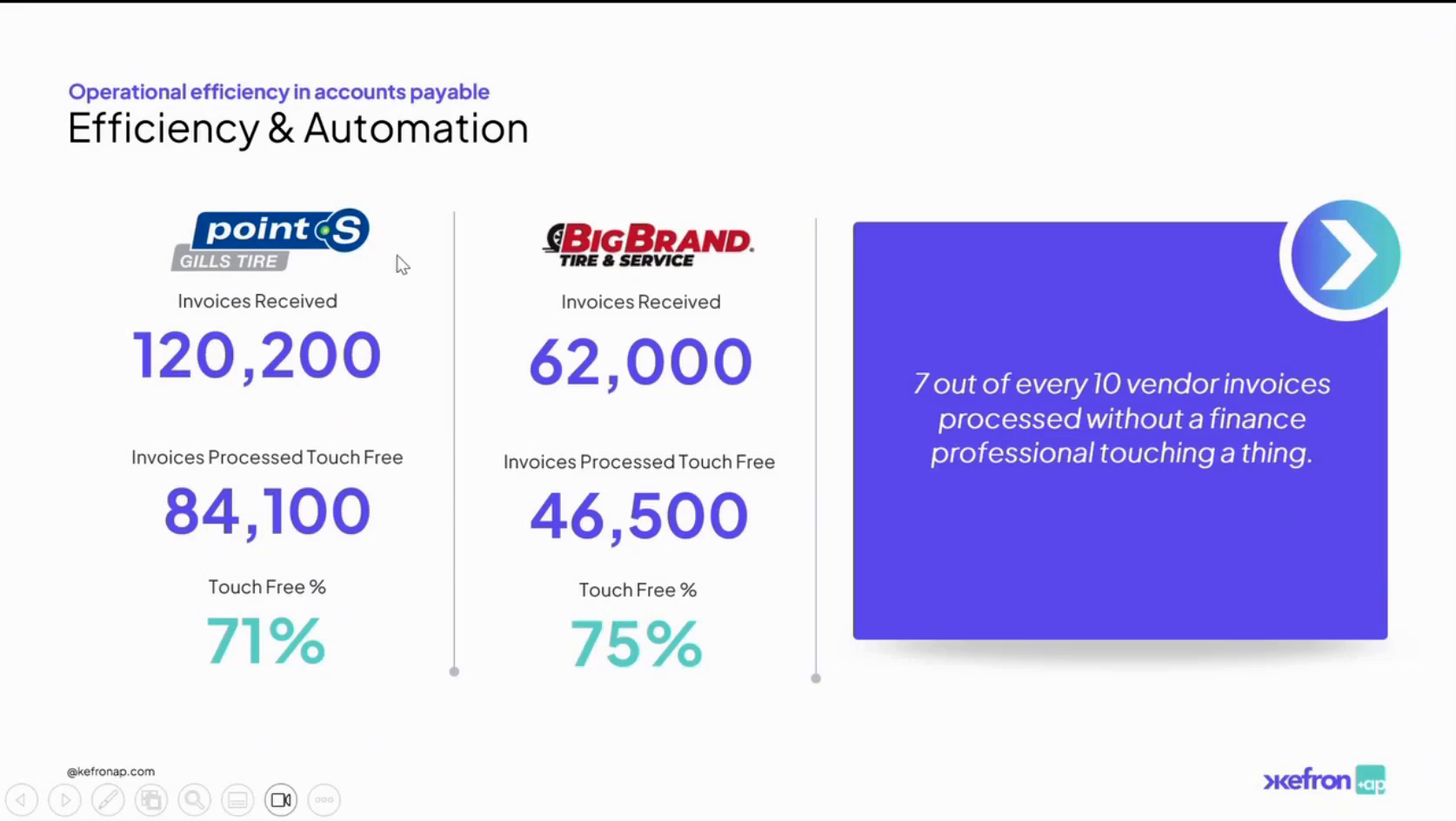
Figure 1: Touch-free results at Gills Point S and Big Brand Tire & Service, as presented in the briefing.
Why this number matters: every touch-free invoice is time handed back to finance. That time can go to other work, or it lets the business add stores without adding AP headcount.
Accounts payable is the lowest-hanging fruit for AI in finance, because it combines high volume with a repeatable, rules-based process.
AI adoption is real, but there is a gap between the headlines and day-to-day use. Figures shared in the briefing:
AI can add value across FP&A, close and reporting, treasury, expenses and sourcing. AP stands out for four reasons:
One out of every three AI projects fails to deliver business value or is scrapped before the value arrives (Gartner, 2026, as cited in the briefing). The four causes are avoidable.
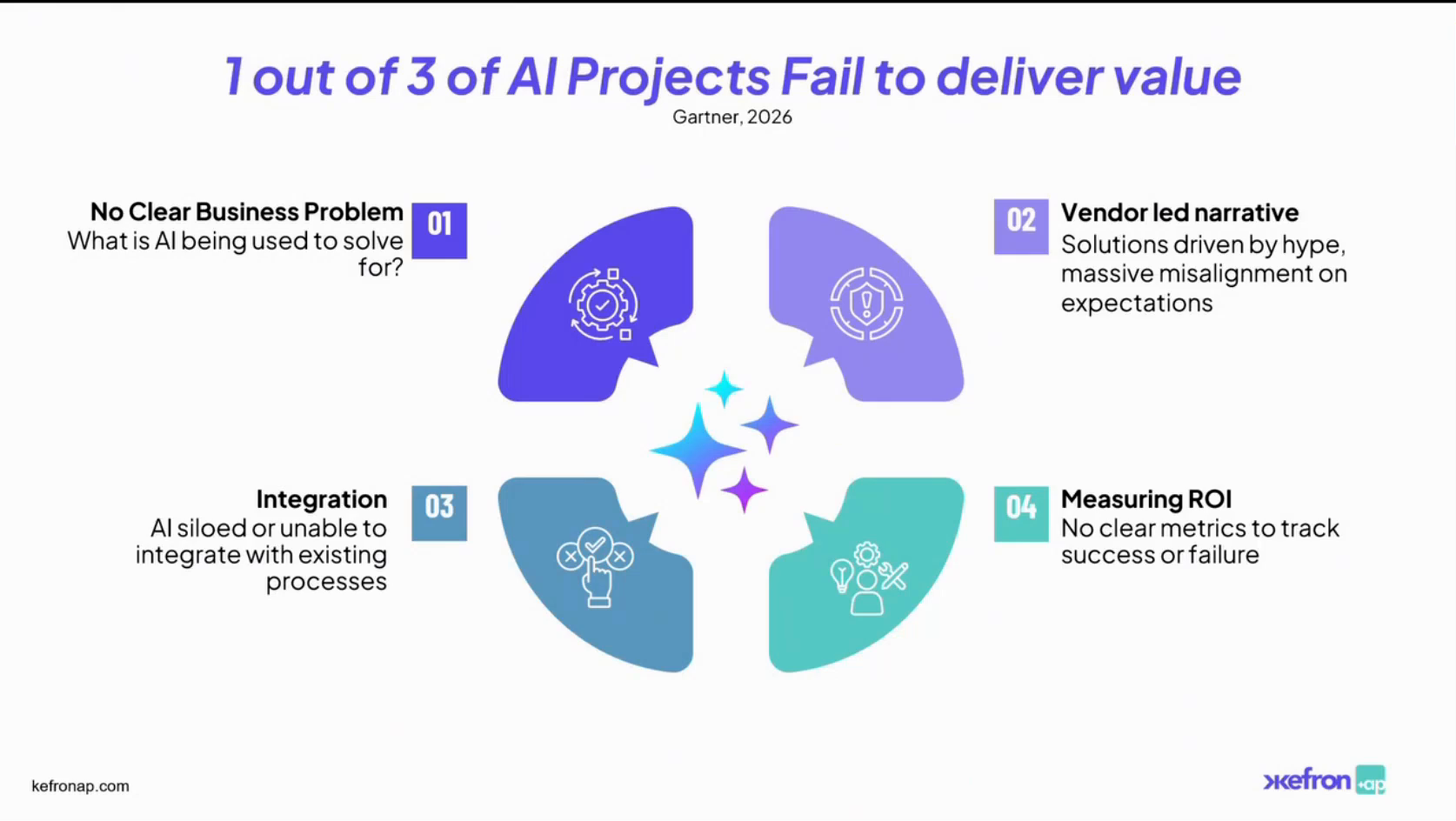
Figure 2: The four most common reasons AI projects fail to deliver value.
Decide exactly what AI is solving before you start. Pick a specific process, find where the friction is, clean up the data, and agree what success looks like. Ask whether it needs to be 100% automated, or whether the goal is to grow without hiring.
Many solutions are sold on hype, which creates a large gap in expectations once implementation begins. Hold vendors to account. Instead of a high-level commercial proposal, ask them to document:
Integration is the biggest single reason projects stall, slip or get scrapped. A tire dealership has three systems to connect: POS at each location, the AP platform in the middle, and the ERP. Data has to map accurately across all three.
Without clear metrics, nobody can say whether a project worked. Run a pilot on a subset of locations with a defined target. For example, automate 80% of PO-based invoices from the POS and treat the remaining 20% as exceptions for the AP team. Set milestones for moving from pilot to full rollout.
The biggest efficiency gain for a tire dealership comes from automating order matching, from the POS system at the store through to the ERP.
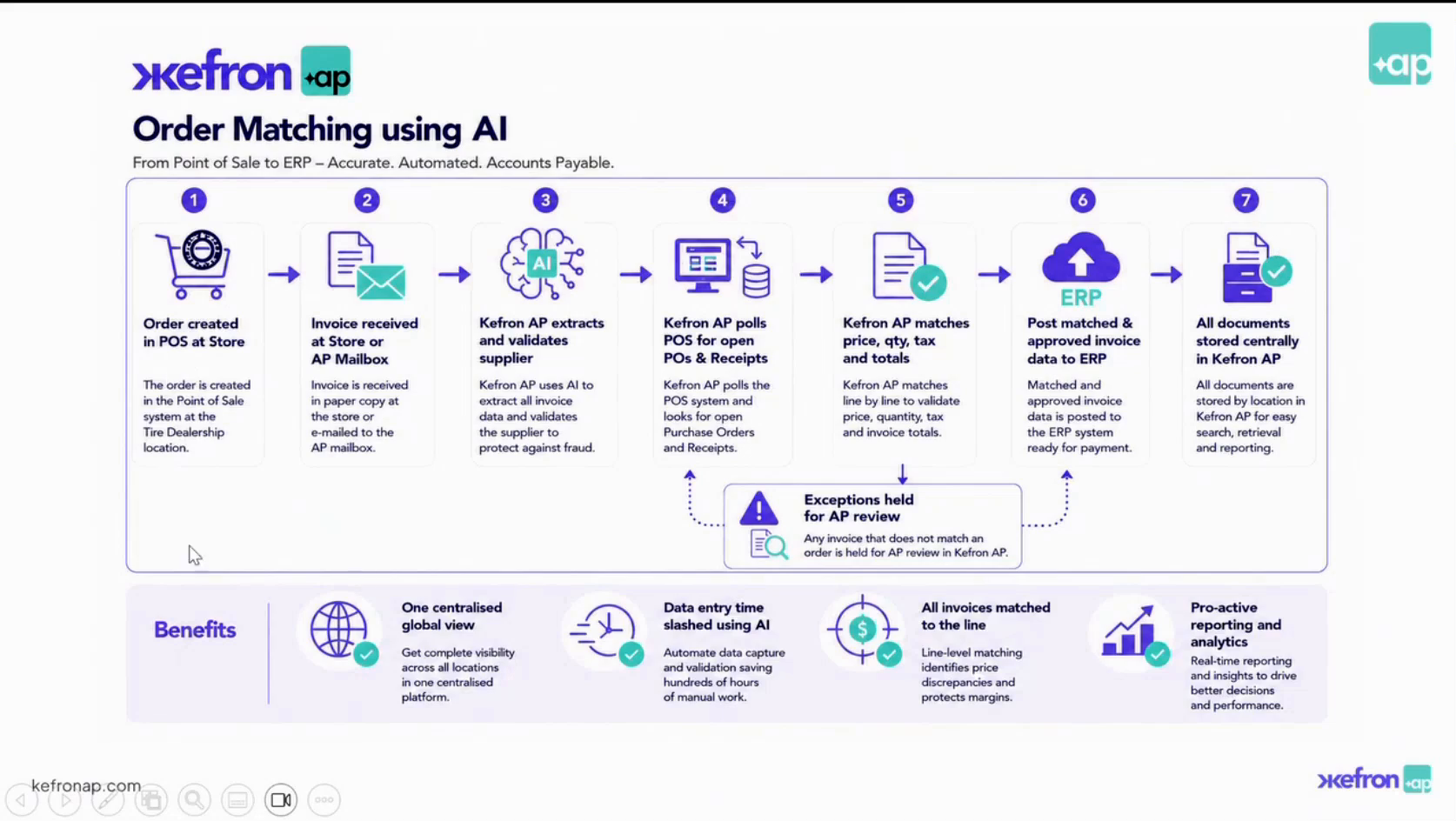
Figure 3: Order matching using AI, from order creation in the POS to posting in the ERP.
Answering an attendee running NetSuite, Sage 200 and an in-house POS, James Kearns set out three decisions every project has to make:
Tariffs can be handled in two ways. Set a tariff tolerance, so charges within the limit are paid and anything above is flagged for review. Or extract the tariff line and post it automatically to the correct GL code.
AP automation does not have to be a 6-, 12- or 18-month project. With a tight scope, the first results come in months, not years.
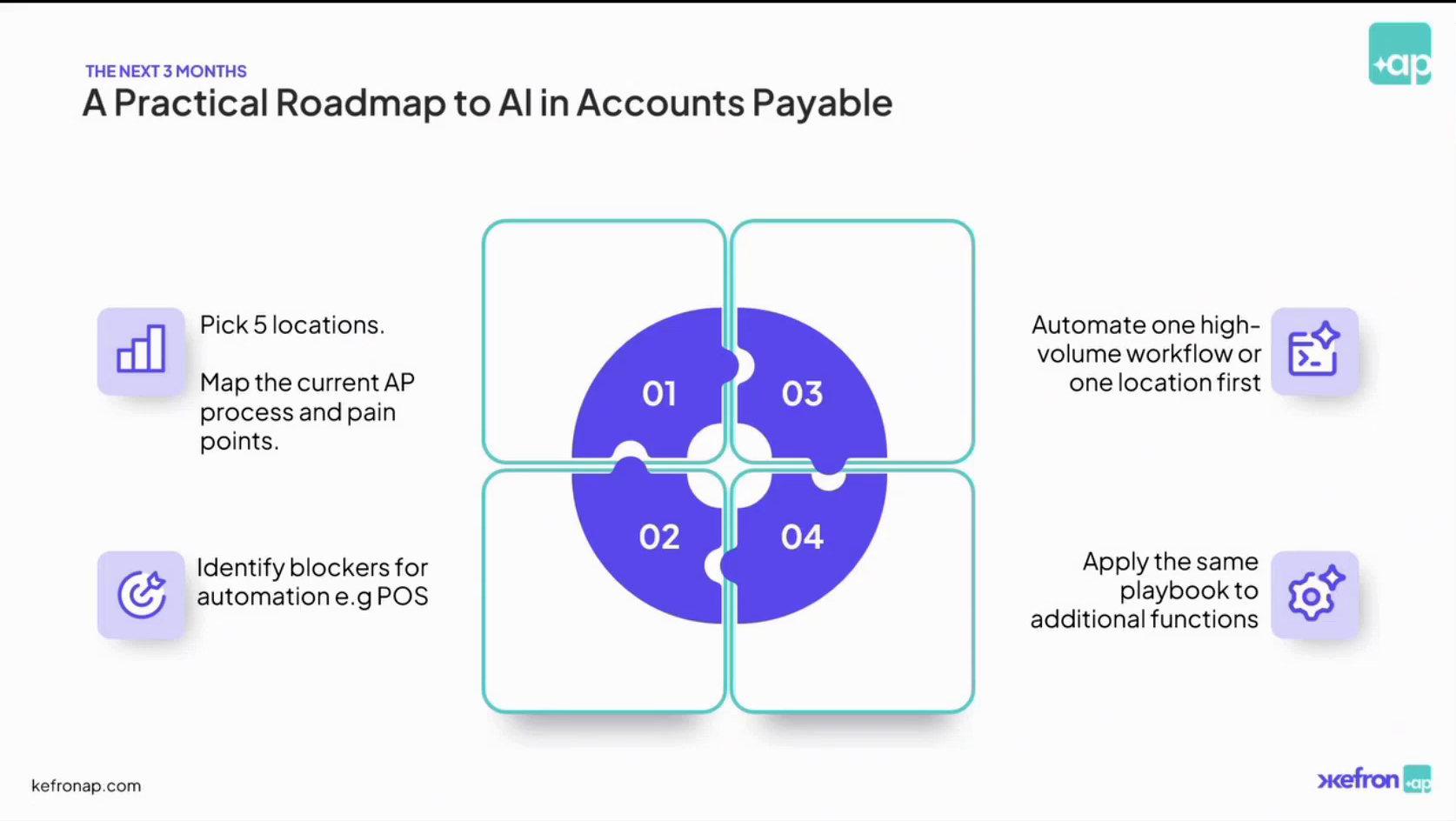
Figure 4: A practical roadmap for the next three months.
As a reference point, Gills Point S Tire & Auto brought 50 stores live on Kefron AP in under six weeks.
Automation moves the finance team from administrative work to analysis that protects margin.
|
Before AP automation |
After AP automation |
|---|---|
|
Typing vendor data into ERP and POS systems |
Analysing margins and pricing trends across vendors |
|
Spending hours each month matching invoices |
Negotiating and capturing early-payment discounts |
|
Chasing and answering invoice queries |
Resolving only the exceptions that need judgement |
|
Pulling historical reports that are out of date hours later |
Producing forward-looking forecasts for better decisions |
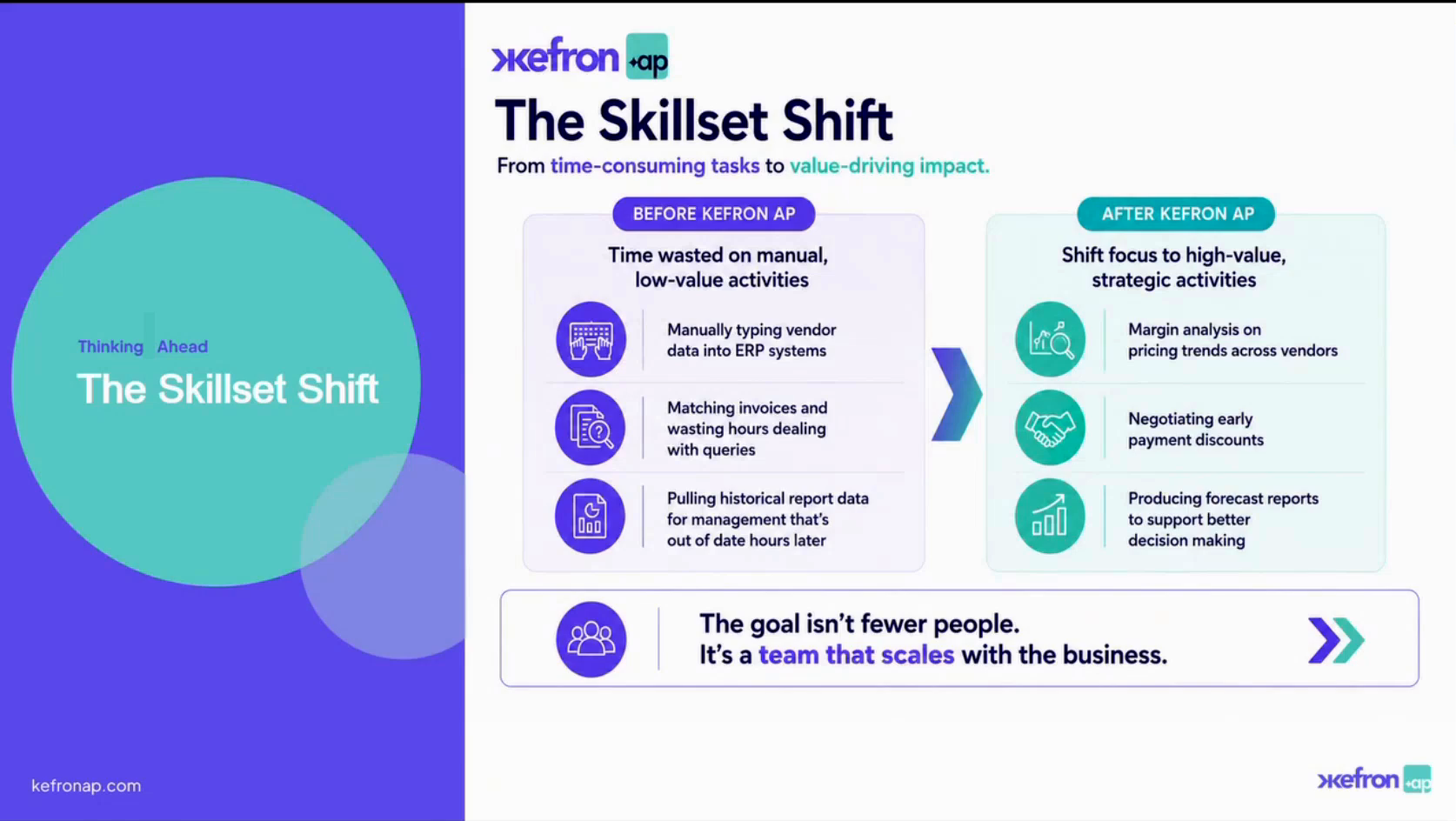
Figure 5: The skillset shift, from time-consuming tasks to value-driving impact.
The briefing's live demo showed where reporting is heading. A finance user typed a plain-English prompt asking for a supplier margin analysis. It covered suppliers whose average prices had risen, the SKUs with the biggest increases, the estimated annual impact, and the increases that could materially hit dealership gross margin. The platform generated the report on the fly from its stored invoice data, broken down by supplier, SKU, tire size and location.
Expert Insight
"The goal isn't fewer people. It's a team that scales with the business." James Kearns, Head of North America, Kefron AP
AP automation for tire dealerships is software that captures supplier invoices, matches them line by line to orders in the POS system, and posts approved data to the ERP without manual entry. It is built for multi-location invoice volumes and store-level approval routing. Learn more about AP automation for automotive businesses.
Gills Point S processes 71% of supplier invoices touch-free, and Big Brand Tire & Service reaches 75% on PDF invoices. Your rate depends on POS data quality, vendor mix and how standardised your processes are. Each Kefron AP customer sets its own target.
It connects through an API where the system supports one, such as NetSuite, or through scheduled automated file transfers. You also agree how often data syncs and who owns each connection. See Kefron AP's ERP integrations.
You can set a tariff tolerance, so charges within the limit are approved and anything above it is flagged for review. Alternatively, the tariff line is extracted and posted to the correct GL code. More on this in Tire Distributors and 2026 Tariffs: Why AP Is a CFO Priority.
Kefron AP charges no per-user licence fees. You pay a fixed monthly fee based on document volume band, set by your previous 12 months of invoices, and move up a band as you grow. There is also a one-time implementation fee covering the project team and both integrations. It typically starts around $15,000 and rises with volume, locations and systems.
With a phased approach, months rather than years. Gills Point S brought 50 stores live in under six weeks.
Pressure on tire dealership finance teams isn't easing, but the case for AP automation is proven. Start with one high-friction process, document it, pilot it at a handful of locations, then repeat the playbook.