Transforming Month-End Close with Automation
Month-end close often means high volume, tight deadlines, and manual bottlenecks. Reconciling data and chasing approvals delays reporting and strains finance teams.
Month end close automation removes repetitive tasks through invoice processing automation and a structured invoice approval system, accelerating close cycles and improving control.

Why Month End Close Automation Matters
Manual close processes create risk, delay reporting, and drain resources. Month end close automation supports finance teams by

High-accuracy invoice processing automation
Configurable and audit-ready invoice approval system
Structured Approval & PO Workflows to reduce risk
Seamless integration with existing ERP and finance platforms
Consistent workflows that reduce rework and exceptions
Clear visibility into progress and bottlenecks
The Impact of Automation on Month-End Close
When month end close automation is applied effectively, teams see measurable improvements

Faster Close Cycles
Automation reduces manual steps and shortens time to close.

Improved Accuracy
Automated matching and validations minimise errors and exceptions.

Stronger Controls
Policy-aligned workflows and audit trails improve governance.

Better Financial Visibility
Real-time insight into pending items speeds decision-making.

Scalable Operations
Automation enables teams to handle more volume with the same resources.

Reduced Stress & Bottlenecks
Automated workflows minimise late surprises and manual chase cycles.
Testimonials:
Finance Leadership Perspective



Integration with Existing Finance Systems
Month end close automation must integrate seamlessly with ERP and finance platforms — without heavy IT lift.










Resources:
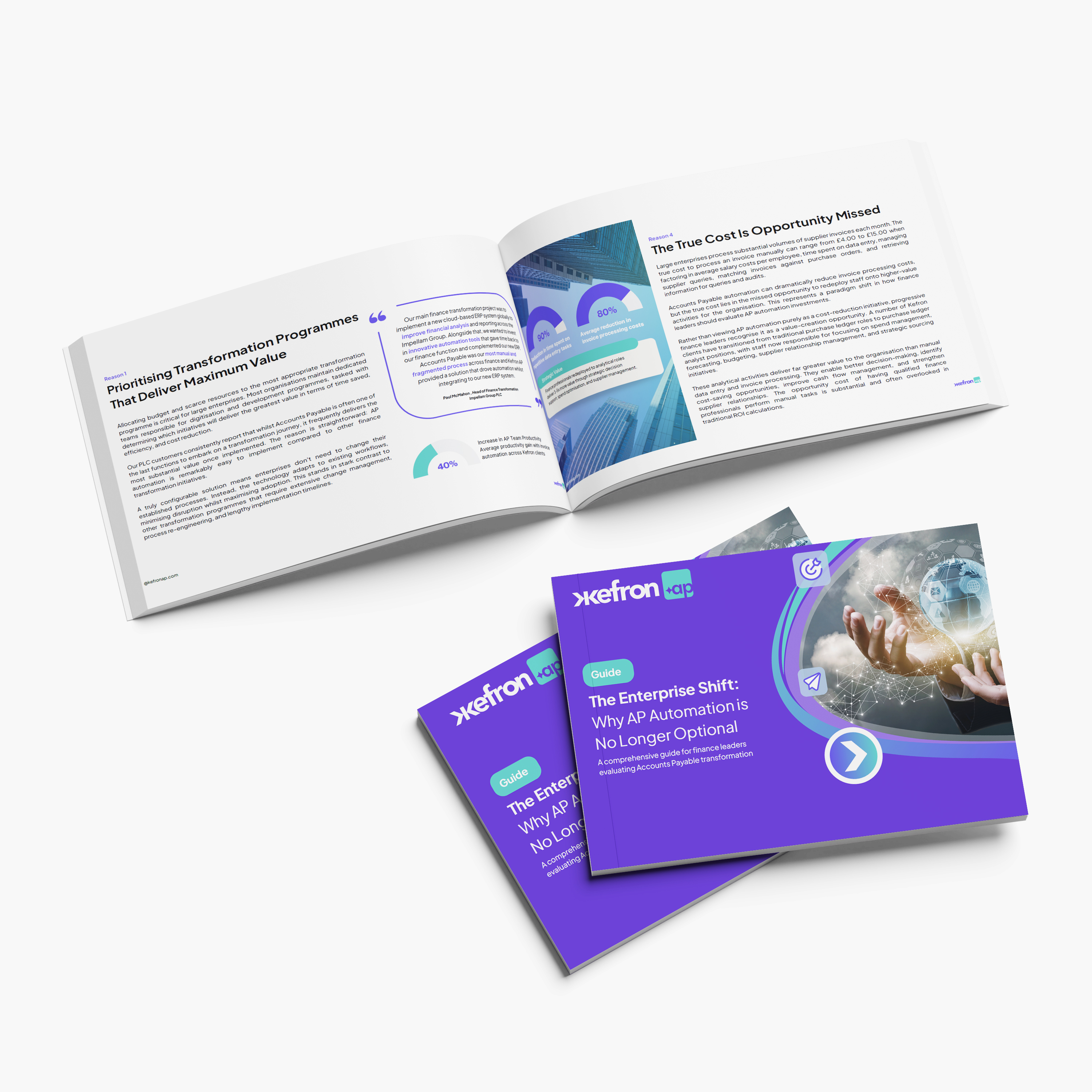
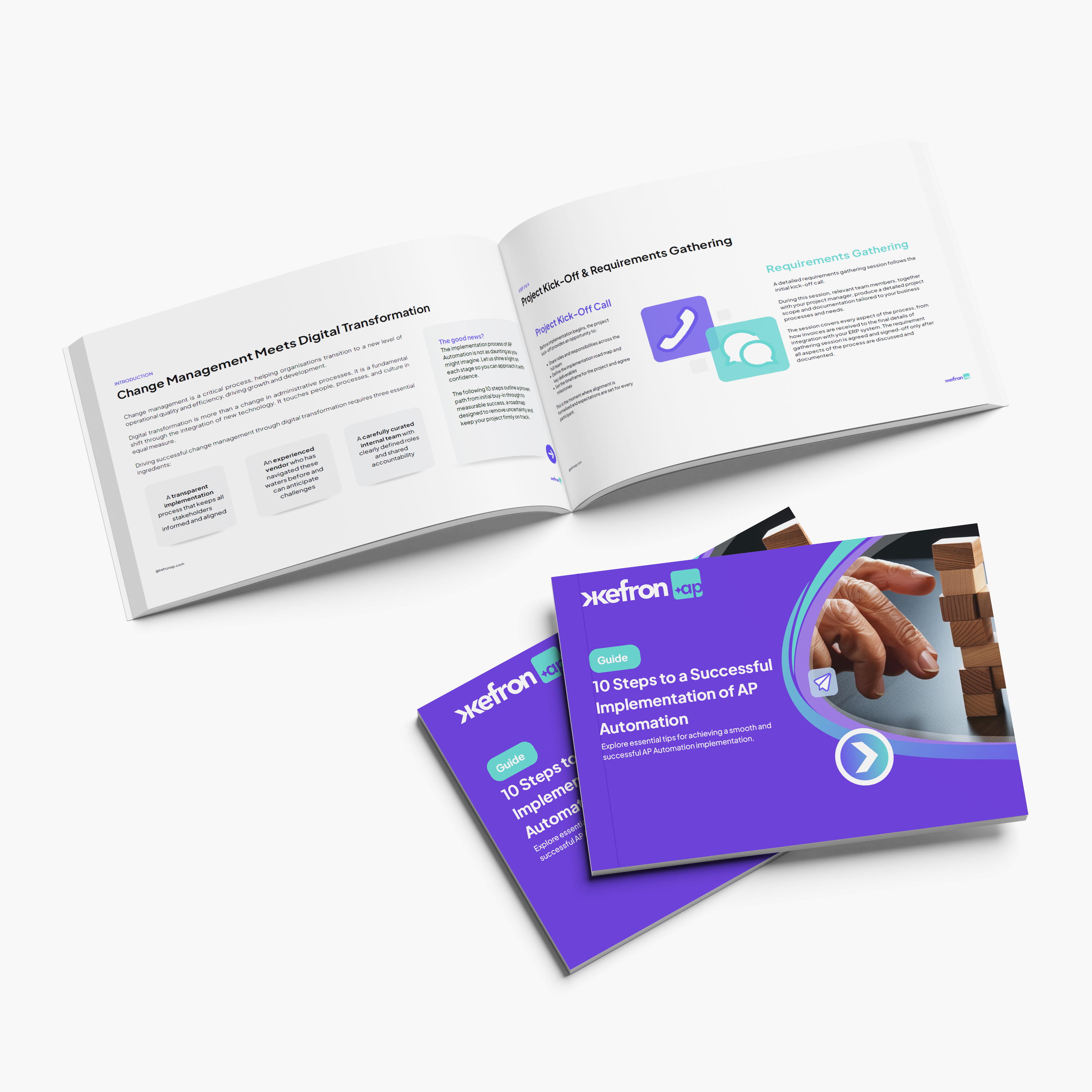
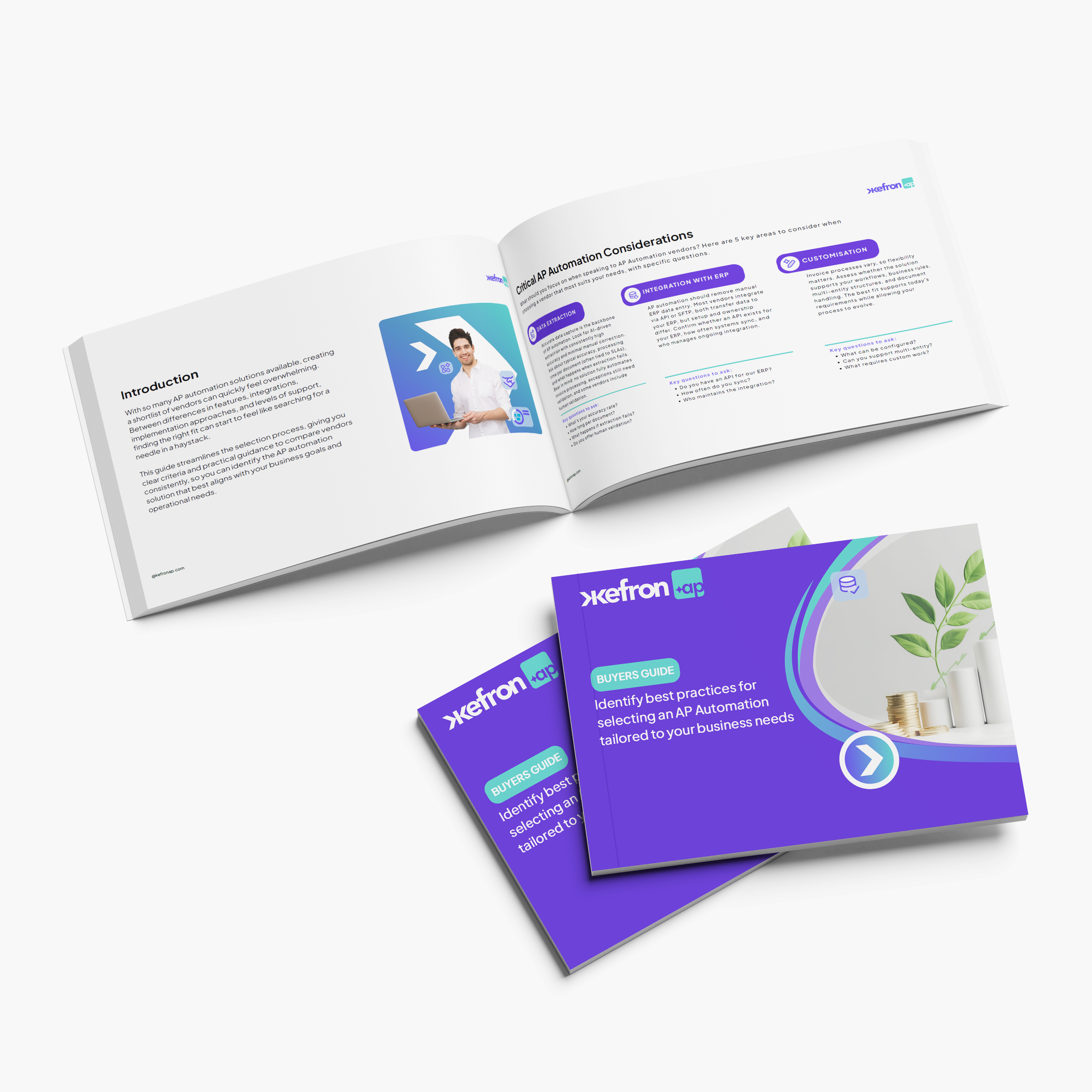
Explore Invoice Automation Guides
Access practical guidance on month end close automation, invoice processing automation, and building a more efficient invoice approval system.



Automate Month-End with Confidence
Month end close automation is not about replacing people, it’s about empowering finance teams with faster processes, stronger controls, and deeper visibility.

Frequently asked questions:

What is month end close automation?
Month end close automation uses software to digitise and streamline repetitive close activities such as reconciliations, journal entries, approvals, and reporting. It integrates invoice processing automation and structured workflows to ensure accurate data flows into the close process, reducing delays and manual effort.
Why should finance teams automate month-end close?
Manual month-end processes cause delays, errors, and unnecessary overtime. Month end close automation accelerates close cycles, improves accuracy, and provides real-time visibility into outstanding items. This allows finance teams to focus on analysis and decision-making rather than administrative tasks.
How does invoice processing automation support month-end close?
Invoice processing automation ensures that accounts payable data is captured, validated, and approved before close begins. By reducing manual entry and exceptions, it prevents bottlenecks and ensures reconciled, accurate data flows directly into the month-end process.
What role does an invoice approval system play in faster month-end close?
An invoice approval system automates routing, approval tracking, and exception management. By ensuring invoices are approved and audit-ready before month-end, it eliminates last-minute delays and strengthens control during the close cycle.
Which month-end tasks benefit most from automation?
Tasks such as reconciliations, journal postings, variance analysis, and intercompany adjustments benefit most from month end close automation. Automating these high-volume, repetitive activities reduces errors and improves consistency across reporting cycles.
How does month end close automation reduce errors and risk?
Month end close automation enforces consistent workflows, validates data automatically, and maintains full audit trails. This reduces manual errors, strengthens compliance, and improves confidence in financial reporting during high-pressure close periods.