
AP Automation for Tire Dealerships: 71% Touch-Free
AP automation for tire dealerships uses AI to capture supplier invoices, match them line by line to...
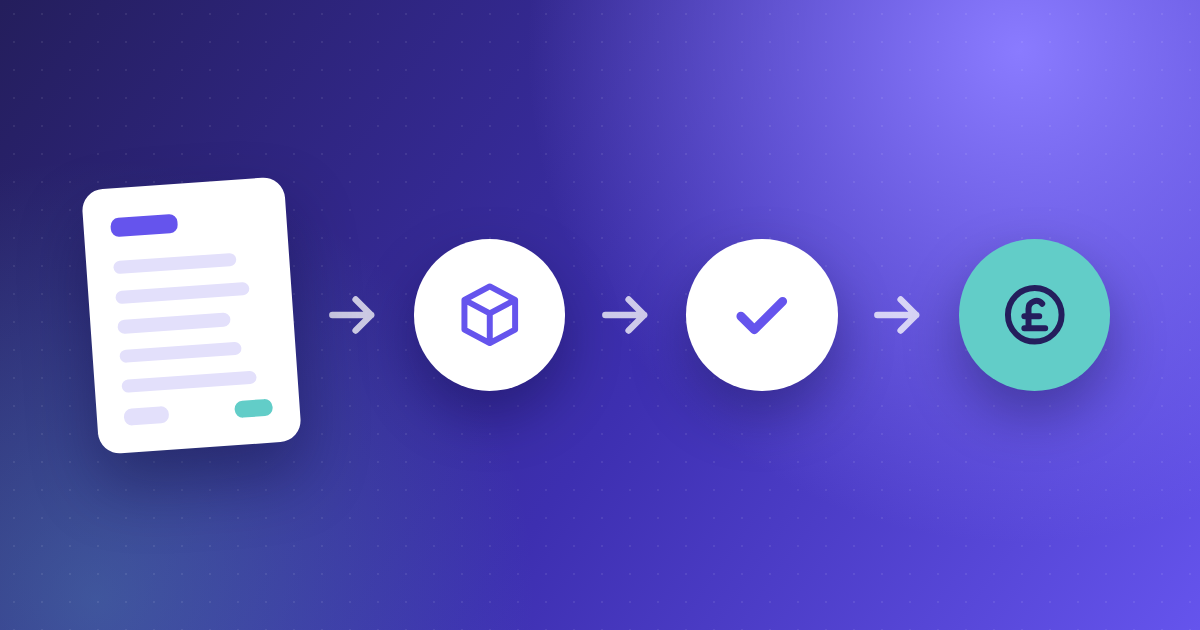
This article traces how accounts payable (AP) automation has grown, from manual processes in the 1980s to today’s AI-powered systems. It covers the key stages, including the move to digital in the 1990s and electronic invoicing in the 2000s. It also looks at AI and cloud solutions, and how AP automation has become a strategic tool for finance teams.
Transforming your accounts payable process saves time and money. It automates manual tasks and cuts paperwork. It also improves cash flow, removes bottlenecks and makes your finances more accurate, so you can take early payment discounts and spot new opportunities.
Accounts payable has changed a lot as finance technology has developed. Teams once managed ledgers by hand. Today, AP runs on advanced digital systems. This isn’t just a change in technology. It is a change in how businesses manage their finances and run their operations.
Each step in accounts payable process transformation has made AP more efficient and more strategic. The move from slow manual work to automated systems shows how much technology has reshaped finance.
In the 1980s, AP was paper-based and manual. Businesses dealt with mountains of paperwork. This was slow and led to more mistakes. But these basic methods laid the groundwork for later progress.
The problems with manual invoice processing were clear. Handling, filing and finding paper invoices took a lot of effort and increased the risk of errors. That hurt supplier relationships and cash flow. It showed that AP needed to change, which led to the digital revolution.
In the 1990s, AP began its first big change. New business software arrived, and companies started to move their AP processes to digital. They redesigned their workflows to gain more control and cut costs.
This was a turning point. Going digital meant AP work could be centralised, which cut manual effort. It also laid the foundations for the invoice automation systems we use today.
From 2000, businesses slowly adopted more advanced electronic invoicing. As they looked for ways to work more efficiently, AP moved away from paper and towards digital tools.
The impact was big. Invoices needed less manual handling, so there were fewer errors and processing was faster. This set the stage for the invoice automation that followed.
From 2010 to 2020, AP automation really took off. Cloud-based tools and automated approval workflows arrived. AP became much more efficient, thanks to new technology and more joined-up finance systems.
Automated systems made AP faster and gave teams a clearer view of their financial data. Businesses could handle AP tasks more accurately and quickly. This improved financial control and supplier relationships. It also showed that AP automation could be a strategic tool.
Today, AP is driven by AI and machine learning. These technologies make AP more efficient, accurate and insightful. AP automation is no longer just about processing invoices. It is about using data to make better decisions and run a better operation.
The future looks even brighter. As technology improves, AP will become smoother, simpler and more secure. The focus is moving to mobile access and strong cybersecurity. AP automation will play a growing part in finance strategies around the world.
Artificial Intelligence (AI) has been a game-changer for AP. Machine learning and smart data processing have made AP systems far more capable. Invoices can now be processed with higher accuracy, little human input and better handling of different invoice layouts.
AI makes AP more efficient and accurate. It reduces errors and speeds up approvals and payments. It also supports smarter cash management and gives you useful business insights.
Cloud-based AP tools have been a defining trend. They give teams one central platform they can use from anywhere. This matters more than ever now that remote working is common.
Cloud-based invoice automation has many benefits. It keeps AP running without interruption, improves data security and grows with your business. Moving to the cloud makes your finance team more flexible, efficient and resilient.

AP has moved from a purely transactional role to a strategic one. Modern AP automation does more than process invoices. It also provides valuable financial insight.
AP now helps optimise processes, improve data accuracy and support better decisions. AP automation tools give businesses data-driven insights that help them handle complex finances and stay ahead of competitors.
As AP becomes more digital, strong security matters more. Sensitive financial data needs protection from cyber threats. Multi-factor authentication and encryption are now standard in modern AP systems.
Better security isn’t only about protecting data. It also builds trust. Strong security protects your financial transactions and your reputation. Cybersecurity will stay a top priority in AP as business becomes more digital.
Several new trends will shape the future of AP. Blockchain, robotic process automation (RPA) and advanced analytics are set to play key roles. They promise more efficiency, transparency and value.
Blockchain offers new levels of security and transparency for financial transactions. RPA can automate complex, repetitive tasks, which saves time and reduces errors. As these technologies mature, they will make AP automation more reliable, efficient and important for businesses.
AP has come a long way since the 1980s. It is a story of innovation. AP automation has grown from a basic back-office task into a key part of financial strategy. It has made finance operations simpler and given businesses a powerful tool for better decisions.
Looking ahead, technology and changing business needs will keep driving AP automation forward. Companies that embrace these changes will be well placed to handle modern finance. AP automation isn’t just a technology journey. It is a path to greater business success.