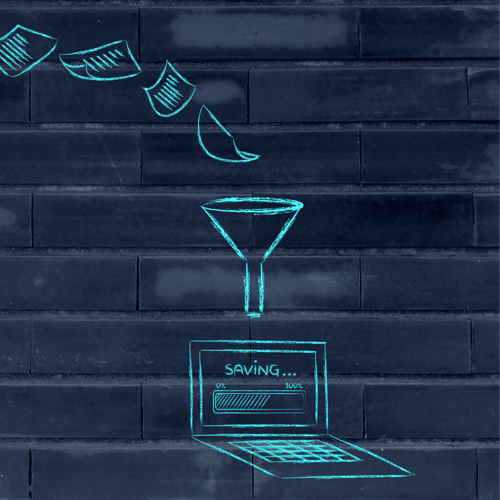
HR isn’t only about developing people and building company culture. It is also about using technology to make work simpler. Document scanning is one tool that is changing how HR works, and compliance is one of the biggest winners. Here’s how scanning makes compliance easier for HR teams.
Automating Manual Processes with document digitisation
In a traditional HR team, compliance means filling in, filing and tracking a lot of paperwork by hand. It is slow, hard work, and mistakes can happen. Those mistakes can cause compliance problems. Document scanning helps solve this.
When paper records become electronic documents, HR can automate data entry and management. This cuts errors and the risk of breaking the rules. Digital files are also easier to organise, track and find, so the records you need are always to hand.
Improving Document Security and Privacy
Scanning makes sensitive HR documents far more secure and private. Paper can be lost, damaged or seen by the wrong people. Any of these could break privacy laws such as the General Data Protection Regulation (GDPR).
Digital documents can be encrypted, password-protected and stored securely in the cloud or on secure servers. You can also set access permissions, so only the right people can view or edit them. This helps HR meet data privacy and security rules.
Enhancing Audit Preparedness
Audits are a key part of HR compliance. Scanning keeps your records organised and searchable, so you are always ready. Digital documents can be indexed and tagged for quick retrieval, which cuts the time and effort needed to prepare for an audit.
When auditors ask for documents, HR can provide them straight away. This shows the company follows the rules. Scanning also creates a digital audit trail of who opened or changed each document and when. That improves accountability and transparency.
Supporting Remote Work Compliance
The COVID-19 pandemic sped up the move to remote work. Remote work has many benefits, but it also creates new compliance challenges. With paper documents, keeping access secure and private from different locations is very hard.
Document scanning solves this. Once paperwork is digital, HR can give staff secure remote access to the files they need. Remote employees can view or send documents when needed, and HR can manage the process easily. Scanning keeps HR compliant wherever people work.
Streamlining Records Management
Scanning also simplifies records management, a key part of HR compliance. Some laws require companies to keep HR records for set periods. Losing or misplacing paper records can lead to serious penalties.
Scanning, combined with a strong document management system, makes sure records are kept and deleted at the right time. HR can set automatic retention schedules and deletion dates for each type of document, so you always meet records management laws.
Conclusion
Business is becoming more digital, and document scanning is a powerful way to support HR compliance. Going digital helps HR automate processes, protect documents, prepare for audits, support remote work and simplify records management.
Scanning makes compliance simpler and frees HR staff from tedious paperwork, so they can focus on more valuable work. For HR teams that want to future-proof how they work, scanning is a must.
Get in touch with our experts to find a solution that fits your business.