Transforming Finance Operations Through Automation
Shared service finance teams manage high transaction volumes across multiple entities, business units, and regions. Manual invoice processing and disconnected workflows create delays, inconsistencies, and rising operational costs.
Automating finance processes provides a scalable solution, standardising invoice capture, approvals, and reporting while improving visibility and control.

Why Automating Finance Processes Matters in Shared Services
Shared service centres depend on efficiency and standardisation. Manual processes introduce variation, risk, and cost. Finance workflow automation enables

High-accuracy invoice processing automation
Centralised approval and exception management
Structured Approval & PO Workflows to reduce risk
Seamless ERP integration across multiple entities
Clear, Predictable Pricing With Proven ROI
Clear performance visibility and measurable efficiency gains
The Impact of Finance Workflow Automation
When finance workflow automation is implemented effectively, shared service teams gain measurable improvements.

Greater Efficiency
Invoice processing automation shortens cycle times and reduces repetitive manual tasks.

Improved Accuracy
Automated validation and matching reduce errors and exceptions.

Stronger Controls
Standardised workflows strengthen governance across entities.

Better Operational Visibility
Real-time dashboards provide oversight into approvals, liabilities, and bottlenecks.

Scalable Shared Services
Automating finance processes allows central teams to support growth without cost increases.

Faster Decision-Making
Consolidated reporting improves insight across business units.

Integration with Existing Finance Systems
Finance workflow automation must integrate seamlessly with ERP and finance platforms across multiple entities.










Resources:
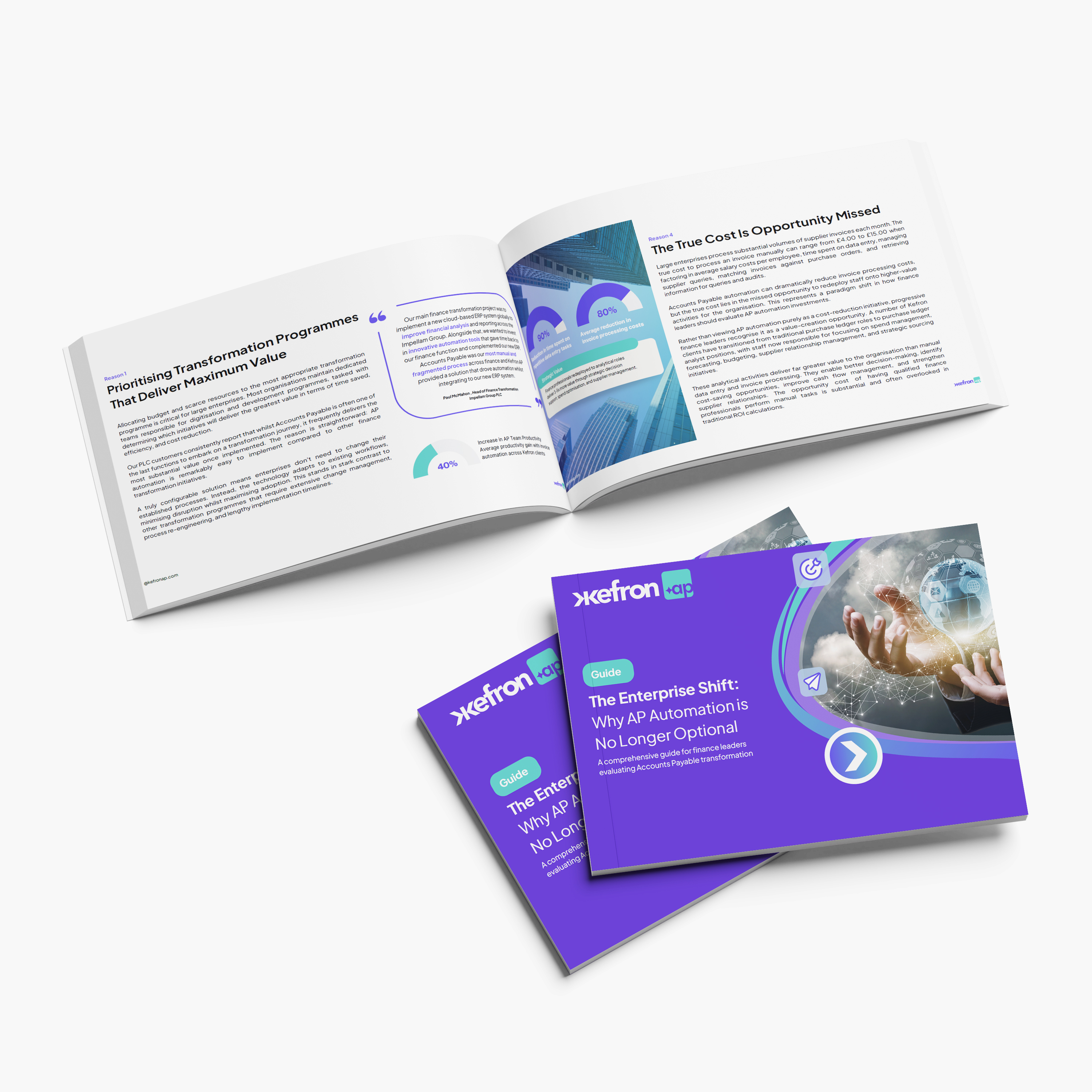
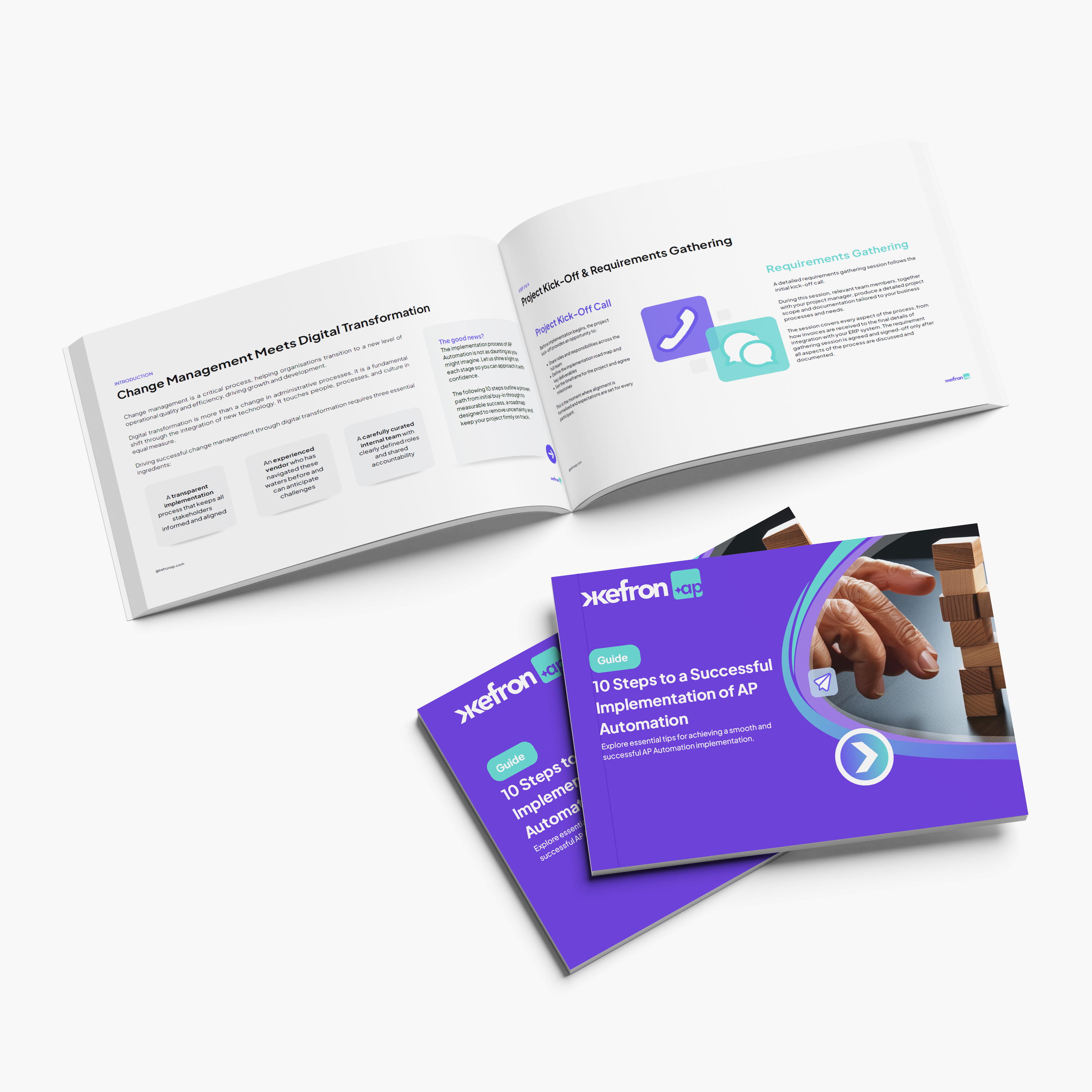
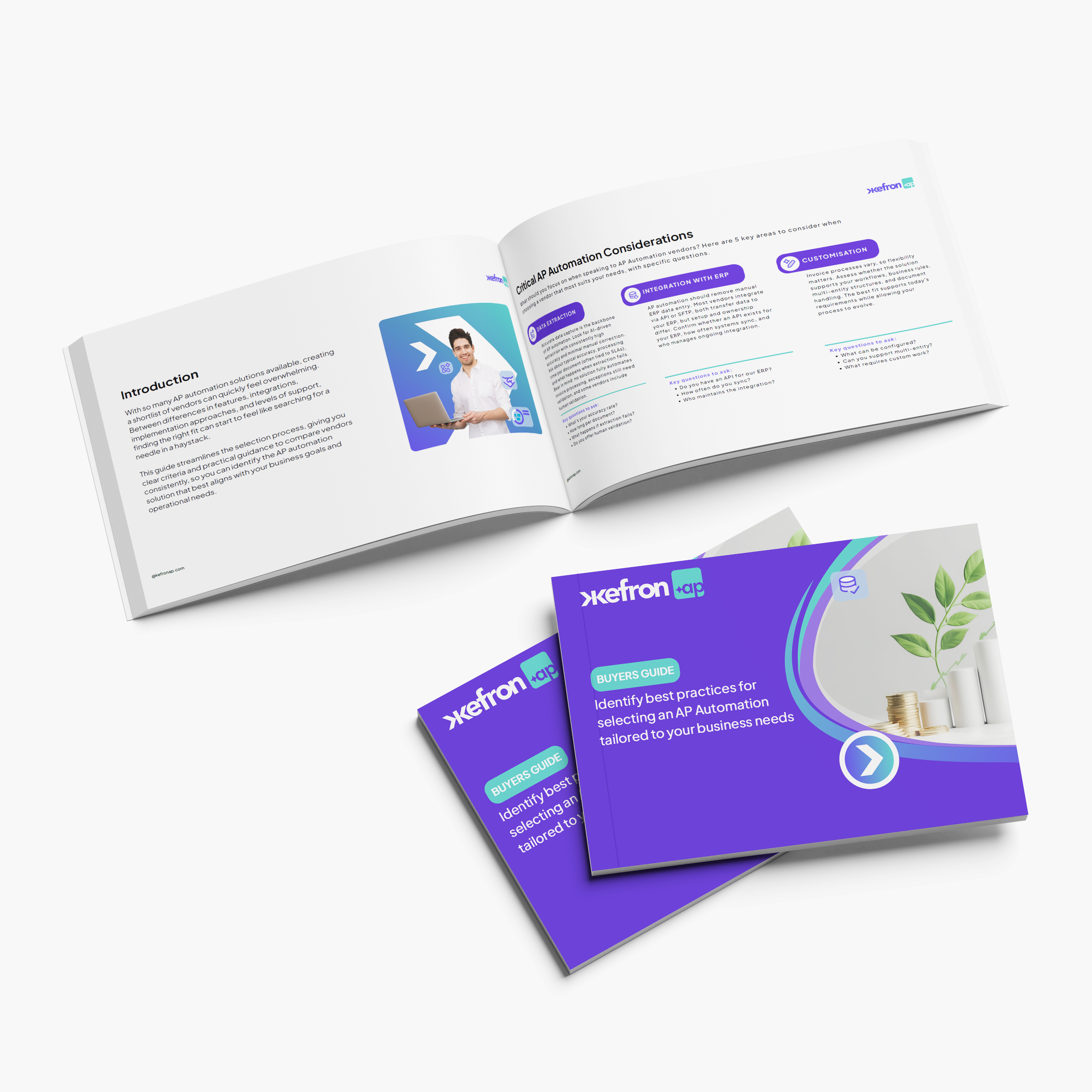
Explore Invoice Automation Guides
Access practical guidance on automating finance processes, improving invoice processing automation, and strengthening shared services performance.


Strengthen Shared Services with Automation
Automating finance processes is not about replacing teams, it’s about enabling standardisation, control, and scalable performance across shared service operations.

Frequently asked questions:

What is finance process automation?
Finance process automation uses technology to digitise and streamline routine financial tasks such as invoice processing, approvals, reconciliations, and reporting. By replacing manual spreadsheets and paper workflows with structured digital processes, organisations improve accuracy, efficiency, and operational control.
Why should organisations automate finance processes for cost reduction?
Automating finance processes reduces labour-intensive tasks, minimises error-related rework, and shortens processing cycles. This lowers operational costs while improving visibility and control. Finance workflow automation enables teams to achieve cost reduction without increasing headcount.
Which finance processes benefit most from automation?
High-volume, repetitive activities deliver the fastest return from automation. These include invoice processing automation, accounts payable workflows, expense management, reconciliations, and month-end reporting. Automating these finance processes reduces manual effort and improves consistency across teams.
How does finance workflow automation improve accuracy and compliance?
Finance workflow automation applies consistent approval rules, validates data automatically, and maintains digital audit trails. This reduces human error and strengthens compliance controls, particularly in invoice processing automation and accounts payable environments.
How does automating finance processes support shared services operations?
Shared service centres benefit from standardised workflows and centralised visibility. Automating finance processes ensures consistent invoice processing automation across entities, reduces manual variation, and supports scalable operations with stronger governance.
How does finance process automation support business growth?
Finance process automation enables organisations to handle increasing transaction volumes without proportional cost increases. By improving accuracy, speeding up processing, and delivering real-time insight, automation supports sustainable growth while maintaining cost control.