Case study:
Tesco Ireland partnered with Kefron to implement bulk scanning services, digitising 40,000+ documents per week while freeing office space and improving access to key business records.

Product:
Scanning & Capture Services

Industry:
Grocery Retail

Region:
Ireland

Requirement:
On-site + bulk scanning

Volume Delivered:
40,000 docs / week

Inbound Source:
Tender process
Read Time: 6 minutes


CASE STUDIES:
Tesco Ireland needed a partner that could handle sustained high volume document scanning while maintaining compliance, accessibility, and operational continuity.
THE CHALLENGE:
Tesco Ireland was managing thousands of paper invoices and delivery documents every week. These records needed to be digitised and accessible across head office, but the existing cross-border setup was becoming inefficient and unsustainable.
Tesco needed a structured model that could process continuous intake and historical archives, without adding internal complexity or operational risk.

THE SOLUTION:
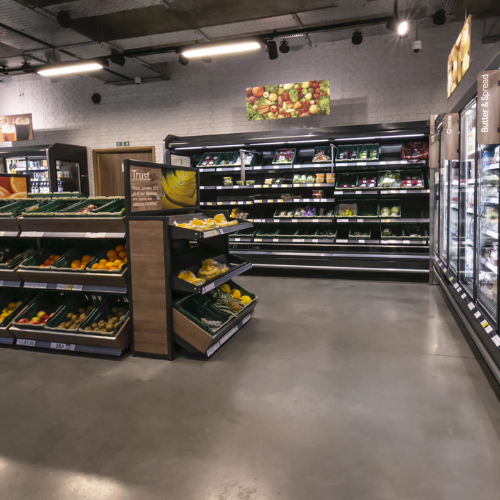
Kefron implemented a blended delivery model combining a full-time on-site scanning resource with structured off-site archive processing. This ensured live document intake was handled daily while historical paper volumes were steadily reduced.
This high volume document scanning model enabled Tesco to digitise live operational paperwork while clearing legacy storage in parallel, creating a scalable model that reduced space usage without adding internal complexity.
THE RESULTS:
Tesco Ireland transformed a paper-heavy operation into a structured digital environment. By implementing the new model, the business reclaimed physical space while improving access, control, and internal confidence in document handling.

When paper volumes grow, they consume space, time, and administrative capacity. A structured digitisation improves access, reduces storage pressure, and strengthens control over business records.


A public-sector regulator in Ireland moved inbound post into a secure digital mailroom workflow, so remote teams could receive and route sensitive correspondence without delays or loss of control.

Product:
Digital Mailroom

Industry:
Public Sector (Regulatory)
Region:
Ireland

A social housing provider in England moved housing benefit schedules into a structured capture workflow to remove repetitive keying and keep uploads consistent.
Product:
Scanning & Capture
Industry:
Social Housing
Region:
United Kingdom

The Adoption Authority of Ireland used secure, on-site document scanning to digitise and index adoption records dating from the 1950s, creating a searchable digital archive that supports the Birth Information and Tracing Act 2022.
Product:
Scanning & Capture
Industry:
Government / Public Sector
Region:
Ireland
If your organisation is managing growing paper volumes, structured bulk scanning services can reduce storage pressure, improve access, and support compliance, without disrupting daily operations.