Finance teams are under pressure from digital transformation, cost constraints, regulatory change, and rising expectations for real-time insight and accuracy. The future of finance is not just about upgrading tools, it’s about rethinking workflows, data strategy, and organisational capability.

The future of finance is evolving rapidly. Finance teams that fail to adapt risk falling behind operationally and strategically

As finance trends reshape the future of finance, leaders are prioritising AP automation to modernise operations, strengthen control, and improve visibility.

AP automation accelerates capture, coding, and approvals, reducing processing delays across accounts payable.

OCR and AI-driven validation minimise manual errors before transactions reach the ledger.

Configurable workflows ensure invoices follow structured, policy-aligned approval paths.

Dashboards provide live insight into liabilities, bottlenecks, and payment status.

Automation supports growing invoice volumes without proportional increases in headcount..

nvoice data flows directly into core finance systems, eliminating manual reconciliation and duplicate entry.
Testimonials:


Kefron AP connects seamlessly to any ERP system, working alongside your existing ERP. No disruption. No heavy IT lift.






Resources:
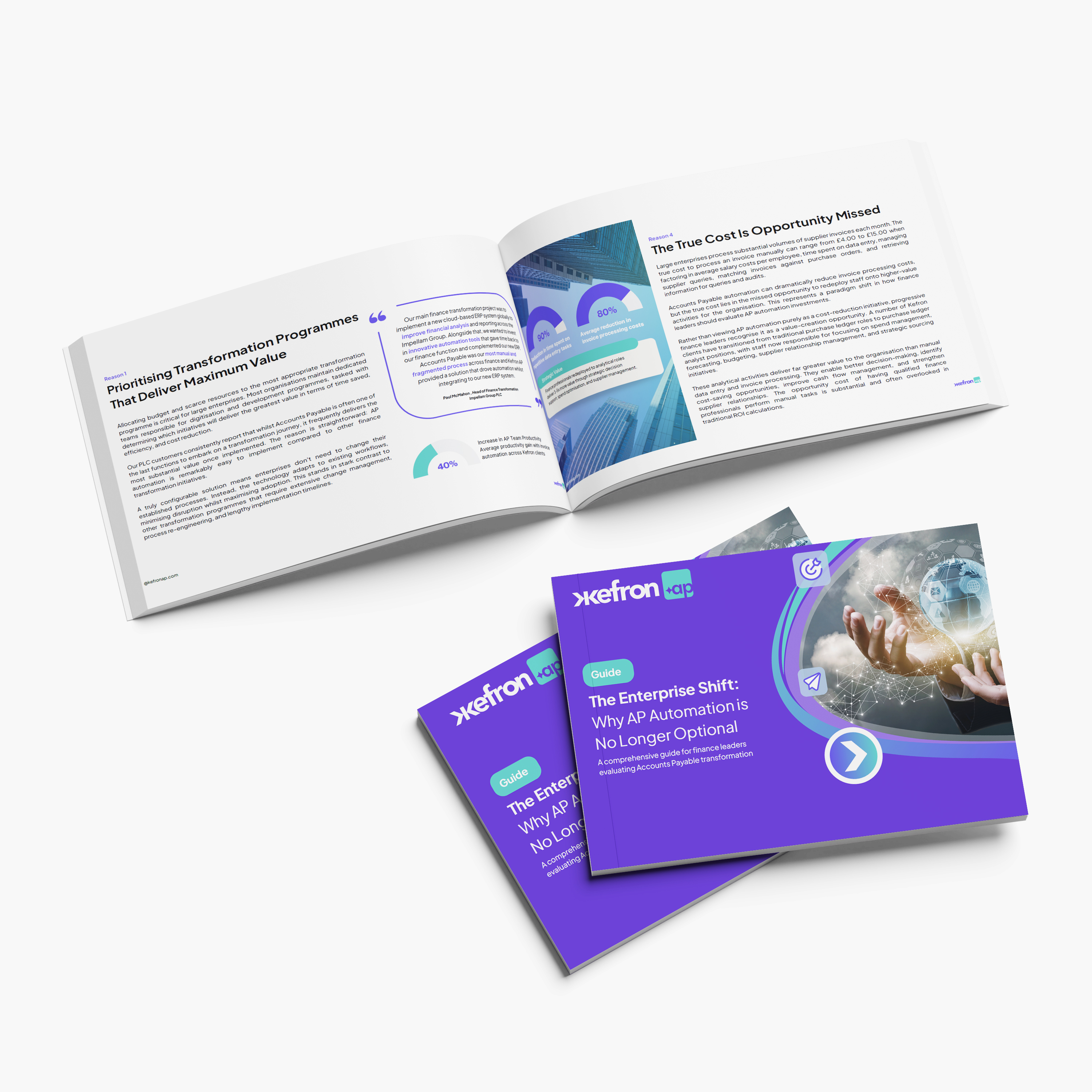
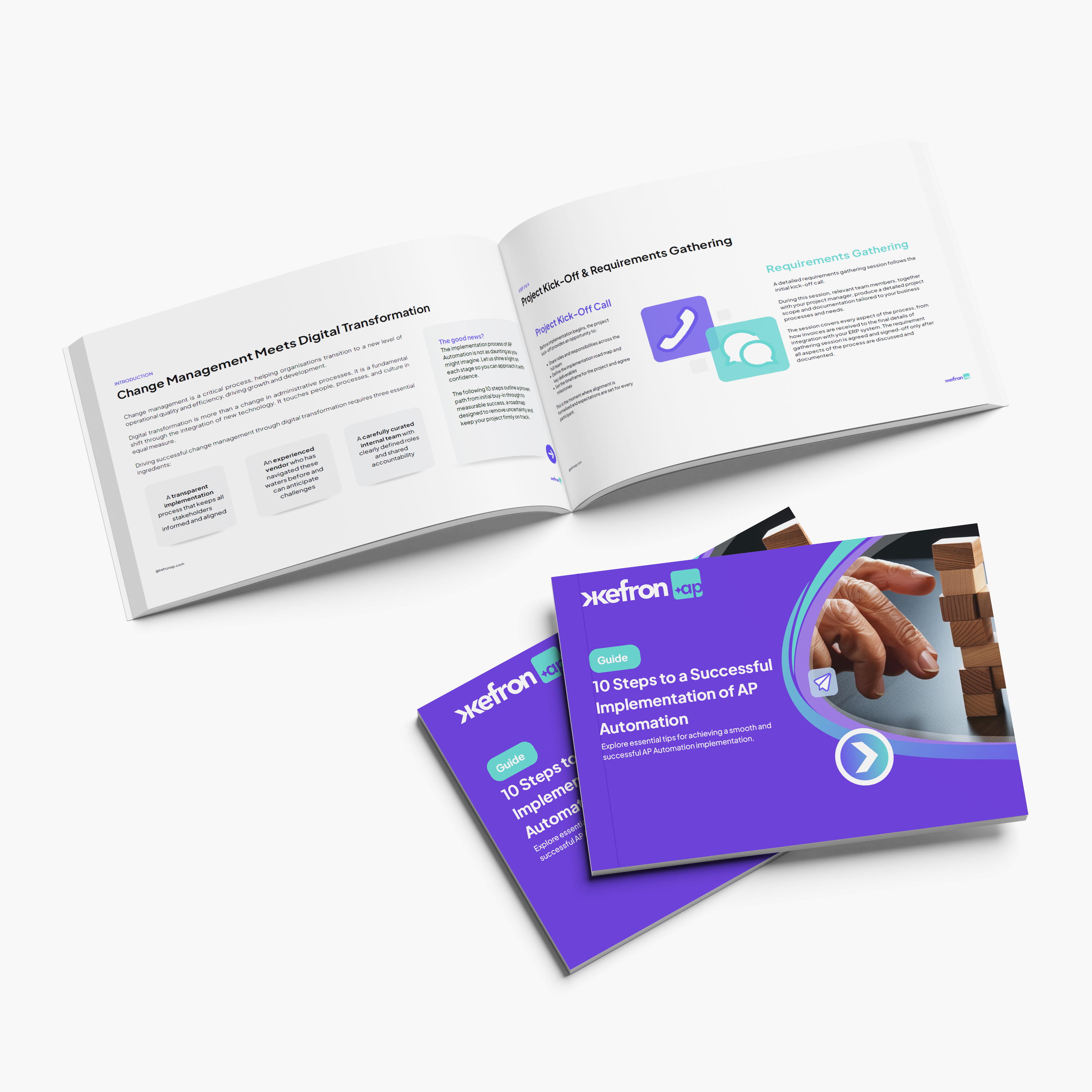
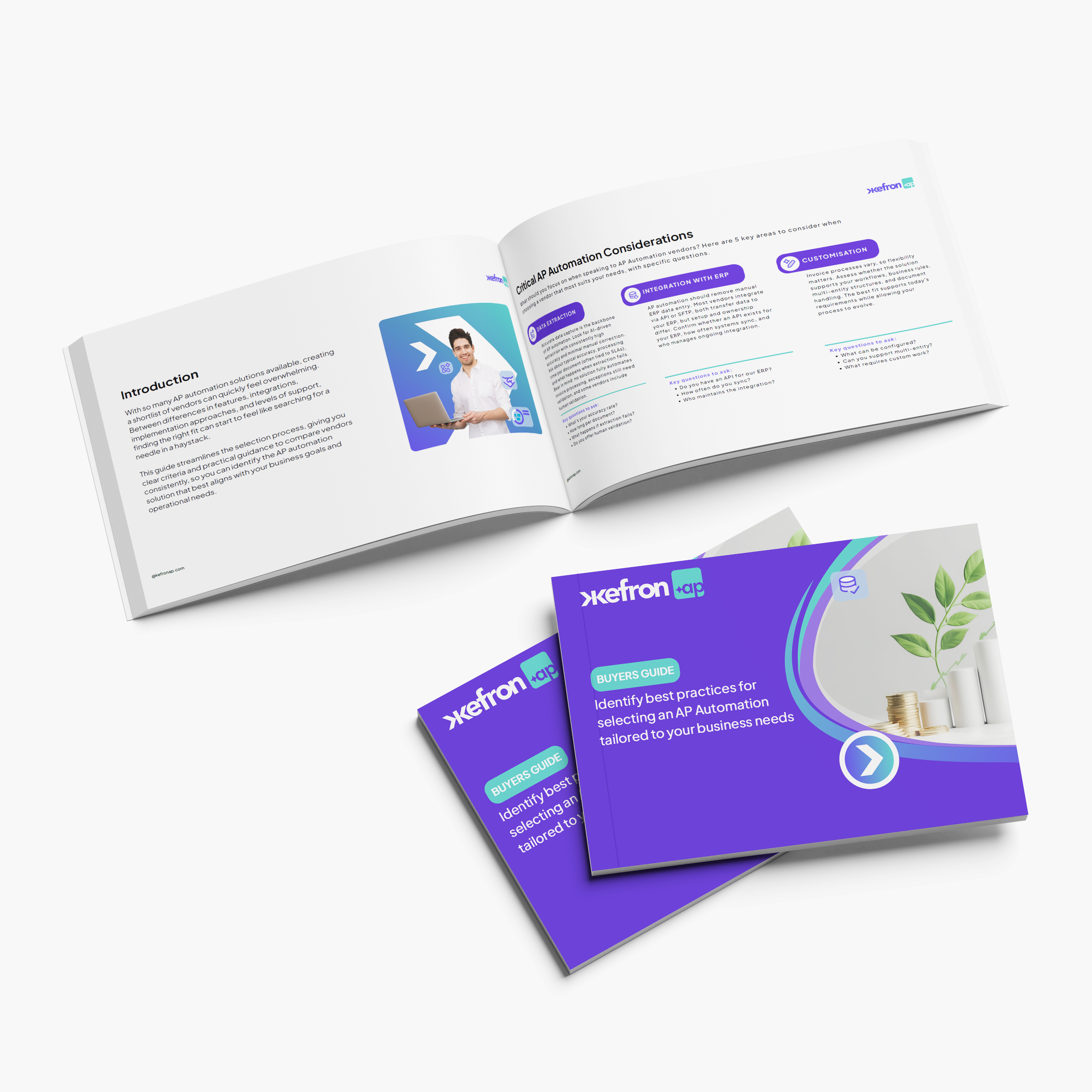
Access practical, expert-led guides on evaluating AP automation, strengthening invoice processing workflows, and selecting the right accounts payable software for long-term finance transformation.
Modern accounts payable automation delivers structured workflows, stronger governance, and real-time financial visibility, forming the foundation of the future of finance.


The future of finance centres on automation, AI-driven workflows, and real-time data visibility. Finance technology is shifting organisations from manual processing and periodic reporting toward continuous insight, stronger governance, and more strategic decision-making — especially within accounts payable and cash management functions.
Finance technology is transforming AP trends through intelligent invoice capture, automated approvals, integrated ERP workflows, and real-time reporting. These innovations reduce manual intervention, improve data accuracy, and support touchless processing across the invoice lifecycle.
Key AP trends include automation of invoice processing, AI-assisted exception handling, structured approval routing, and enhanced spend visibility. These developments enable finance teams to operate faster while maintaining stronger control and compliance.
Accounts payable generates high transaction volume and critical financial data. Automating this function improves efficiency, strengthens controls, and provides reliable data for forecasting and cash flow management — making AP automation foundational to modern finance strategy.
AI is more likely to augment finance teams rather than replace them. Automation handles repetitive tasks such as invoice matching and data validation, allowing finance professionals to focus on analysis, policy oversight, and strategic planning.
Real-time data enables finance teams to monitor liabilities, approvals, and cash positions continuously rather than waiting for month-end reports. This improves responsiveness, strengthens decision-making, and supports more proactive financial management.