Transforming Invoice Processing in Care Homes
Care home invoice automation is reshaping how care providers manage high volumes of supplier invoices, reducing manual workload and improving financial control. In this video case study, we show how a care home operator accelerated growth by transforming invoice processing with automation.

Why Care Home Invoice Automation Matters
Care homes handle high volumes of supplier invoices across multiple sites. Manual invoice processing creates delays, errors, and limited financial visibility. Care home invoice automation improves:

High-Accuracy Capture enabled by AP automation
Seamless integration with existing finance systems
Structured Approval & PO Workflows to reduce risk
Transparent implementation and UAT support to de-risk rollout
Clear, Predictable Pricing With Proven ROI
Specialist AP expertise beyond ERP add-ons
The Impact of Invoice Automation on Care Home Finance
As care providers grow, invoice processing becomes more complex. Invoice automation helps finance teams maintain control while scaling operations.

Greater Efficiency Through Invoice Automation
Automation reduces manual data entry and shortens invoice cycles, helping care home finance teams operate faster and more consistently.

Improved Accuracy
Automated validation and structured workflows reduce errors and minimise costly exceptions

Stronger Controls and Audit Visibility
Digital approval routing and audit trails improve compliance and financial governance..

Better Financial Visibility
Real-time tracking provides clearer insight into liabilities, supplier payments, and overall performance.

Scalable Operations
As invoice volumes increase, care home invoice automation supports growth without proportionate increases in administrative workload.

Faster, Data-Driven Decisions
Dashboards surface delays and inefficiencies early, enabling stronger financial oversight.

Integration with Existing Finance Systems
Care home invoice automation must integrate seamlessly with existing ERP and finance platforms — without disruption or heavy IT involvement.









Resources:
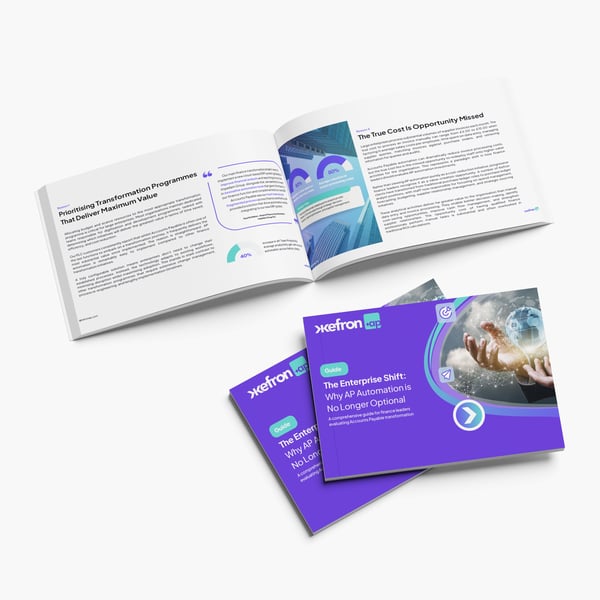
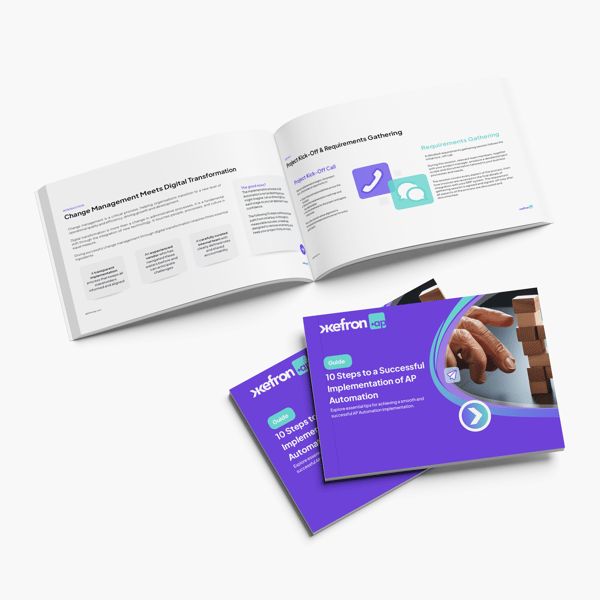
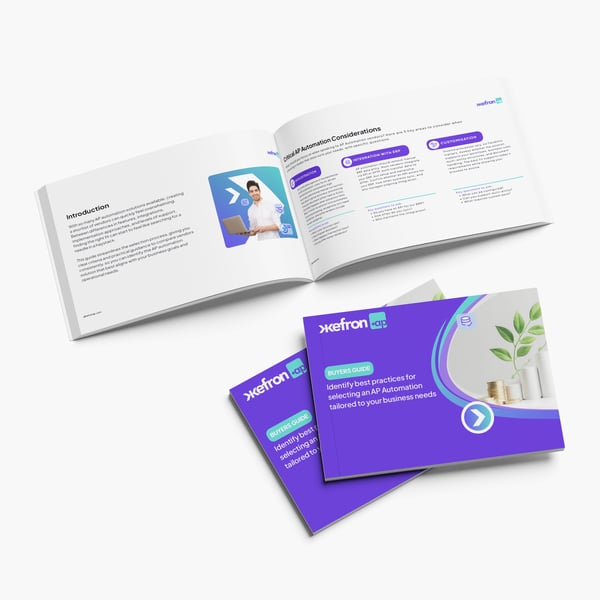
Explore AP Automation Guides
Access practical guides designed to help care providers improve invoice processing, reduce manual effort, and implement invoice automation with confidence.

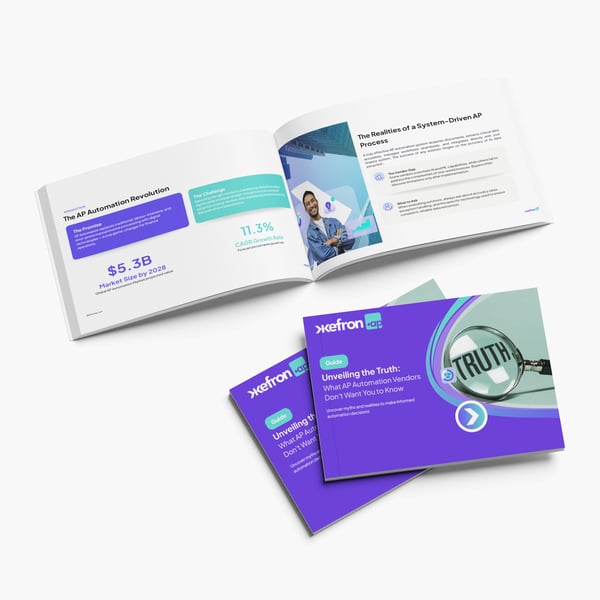
Transform Care Home Invoice Processing with Confidence
Care home invoice automation is not about replacing finance teams, it’s about strengthening control, accelerating invoice processing, and improving financial visibility as your organisation grows.

Frequently asked questions:

What is care home invoice automation?
Care home invoice automation uses software to streamline invoice processing for resident billing, supplier invoices, and council-funded services. It replaces manual data entry with automated capture, validation, approvals, and tracking. This reduces errors, improves accuracy, and significantly lowers the administrative burden on care home finance teams.
Why do care homes need invoice automation?
Care homes manage high volumes of invoices across multiple payers, including councils and private residents. Manual invoice processing often leads to errors, delayed payments, and cash flow pressure. Care home invoice automation improves billing accuracy, accelerates payment cycles, and frees staff from repetitive admin tasks.
What are the main challenges in care home invoice processing?
Common challenges include manual data entry errors, mismatched resident records, varying council billing rules, delayed approvals, and disconnected systems. These issues create rework, payment disputes, and cash flow strain. Invoice automation addresses these problems by standardising workflows and reducing reliance on manual processes.
How does care home invoice automation improve cash flow?
Care home invoice automation speeds up invoice generation, automates reminders, and reduces errors that delay payment. By shortening billing cycles and improving accuracy, invoice processing becomes more predictable, helping care providers maintain steady cash flow and reduce outstanding balances.
How does invoice automation reduce administrative workload in care homes?
Invoice automation eliminates repetitive tasks such as manual entry, paper filing, and email chasing. Automated approvals and validation reduce rework, allowing finance staff to focus on oversight rather than processing. This lowers operational costs while improving overall efficiency.
What results can care homes expect from invoice automation?
Care homes typically experience faster invoice processing, fewer billing errors, improved visibility over payments, and reduced administrative effort. Care home invoice automation supports growth by making finance operations scalable without increasing headcount.