Automating Accounts Payable During Business Change

From post merger finance integration and ERP migration to high volume invoice processing and CFO-led finance transformation, automating accounts payable becomes essential when complexity increases and manual processes break down.

financa-automation-hero

Why Automating Accounts Payable Becomes
Critical During Finance Transformation

Business change introduces complexity faster than manual processes can absorb. What once felt manageable becomes operational risk, particularly during ERP migration, rapid expansion, or structural finance transformation.

Frame 48095663 (8)

Hight Volume

Growth, acquisitions, and expansion increase invoice throughput beyond existing team capacity, creating backlogs and processing delays.

Frame 48095663 (7)

System Fragmentation

ERP migrations, new entities, and multiple approval hierarchies create disconnected data, duplicate records, and reconciliation challenges.

Frame 48095663 (9)

Approval Bottlenecks

Manual routing slows invoice approvals, extends payment cycles, and increases supplier friction during critical transition periods.

Frame 48095663 (10)

Limited Financial Visibility

Spreadsheet tracking and email-based approvals prevent real-time reporting when leadership requires immediate financial clarity.

Frame 48095663 (11)

Rising Compliance Risk

Process inconsistencies across entities increase the likelihood of audit gaps, duplicate payments, and regulatory exposure.

Frame 48095663 (12)

Headcount Dependency

When volume increases, the only short-term solution becomes hiring more staff, increasing cost without improving scalability.

Post-Merger & Acquisition Integration

New entities. New vendors. Different approval structures.

Invoice volumes increase while systems remain misaligned. Without automation, post merger finance integration slows, reporting accuracy weakens, and visibility declines during critical alignment phases.

Six Business Events That Trigger Automating Accounts Payable

Media (9)
Media (10)

Rapid Business Growth & High Invoice Volumes

Revenue scales and invoice complexity scales with it.

Manual high volume invoice processing leads to approval delays, rising processing costs, and missed early payment opportunities. Headcount expansion does not create scalable finance infrastructure.

Automation provides structured capacity without operational strain.

ERP Migration or System Modernisation

ERP migration exposes inefficiencies in legacy AP workflows.

Manual invoice processing introduces duplication, disruption, and reconciliation risk. Migrating systems without automating accounts payable embeds manual weakness into the new environment.

Automation ensures continuity, control, and clean data flow during ERP migration projects.

Media (11)
Media (12)

New CFO or Finance Leadership Mandate

New CFOs and finance leaders prioritise cost control, visibility, and operational efficiency.

Manual accounts payable limits measurable performance improvement and delays reporting accuracy. Automating accounts payable delivers early, visible wins within broader finance transformation strategies.

Funding, Investment, or Private Equity Backing

Funding rounds, private equity backing, and expansion require operational maturity.

Post merger finance integration, audit readiness, and predictable reporting become non-negotiable. Manual AP introduces compliance risk and weakens governance confidence.

Automation strengthens internal controls and financial transparency.

Media (13)
Media (14)

Accounts Payable Team Restructuring

Hiring freezes, turnover, and skills shortages increase dependency on manual effort.

Without automating accounts payable, finance teams remain vulnerable to burnout and operational fragility as complexity increases.

Automation reduces reliance on headcount and improves resilience.

When Finance Moves From Reactive to Strategic

Automating accounts payable transforms invoice processing from manual administration into scalable financial infrastructure. Instead of chasing approvals and correcting errors, finance teams gain


30%

of invoice processing time saved

dentex

67%

reduction in invoice approval time

cvs

99%

data extraction accuracy

leeds-2

12 months

data extraction accuracy

emma-1

100%

paperless invoice processing

200 coffee

32 hours

per month saved on data entry

riviera-2

AP Automation That Works the Way Finance Works

From invoice capture to audit reporting, Kefron AP gives finance teams the clarity and efficiency needed to
deliver more with less effort.

Automated Invoice Capture & Processing Automated Invoice & PO Matching Flexible Invoice Coding Automation Supplier Self-Service Portal Smart Workflows & Approvals Dashboards & Audit Compliance
Automated Invoice Capture & Processing

Automated Invoice Capture & Processing

Automate every step, from data extraction to validation, with AI that adapts to any format and scales with your team.


  • Capture data from PDFs, scans, XML, and EDI.
  • Intelligent extraction powered by machine learning.
  • Reduce processing time by up to 80%.
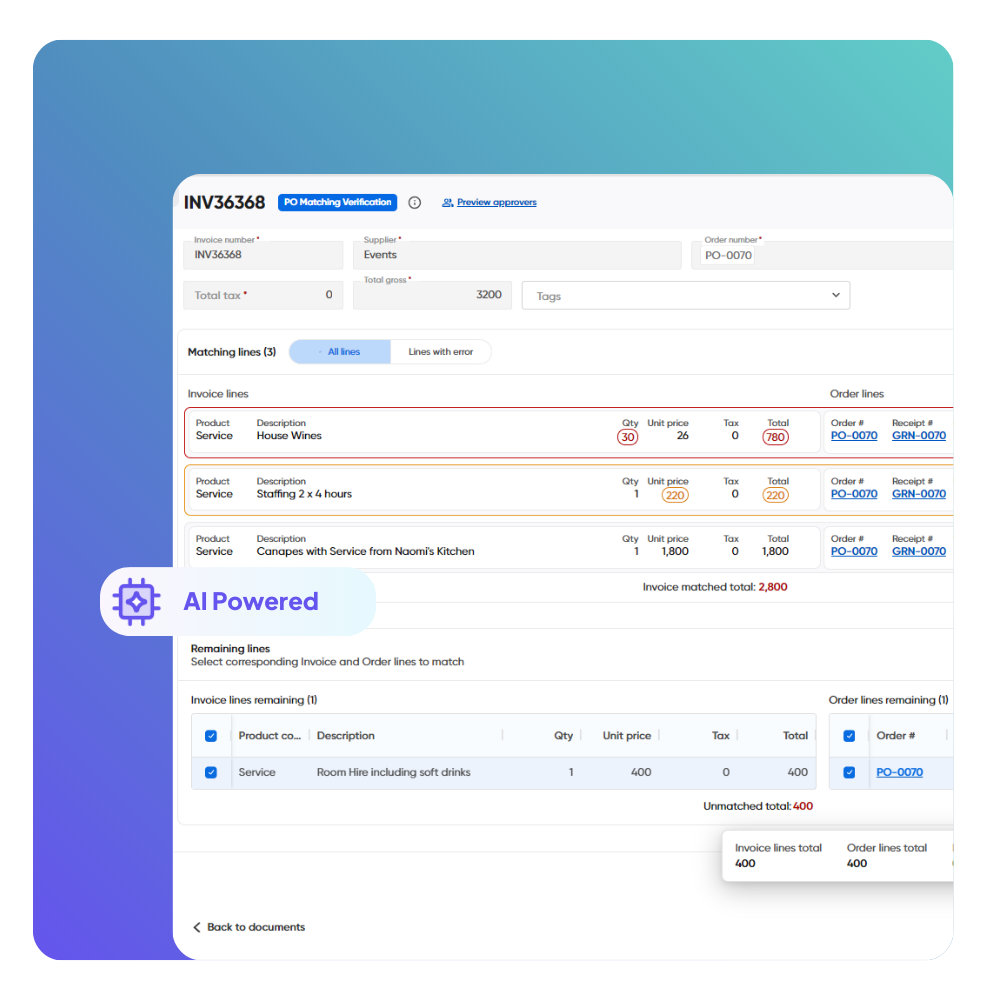
Automated Invoice & PO Matching

Automated Invoice & PO Matching

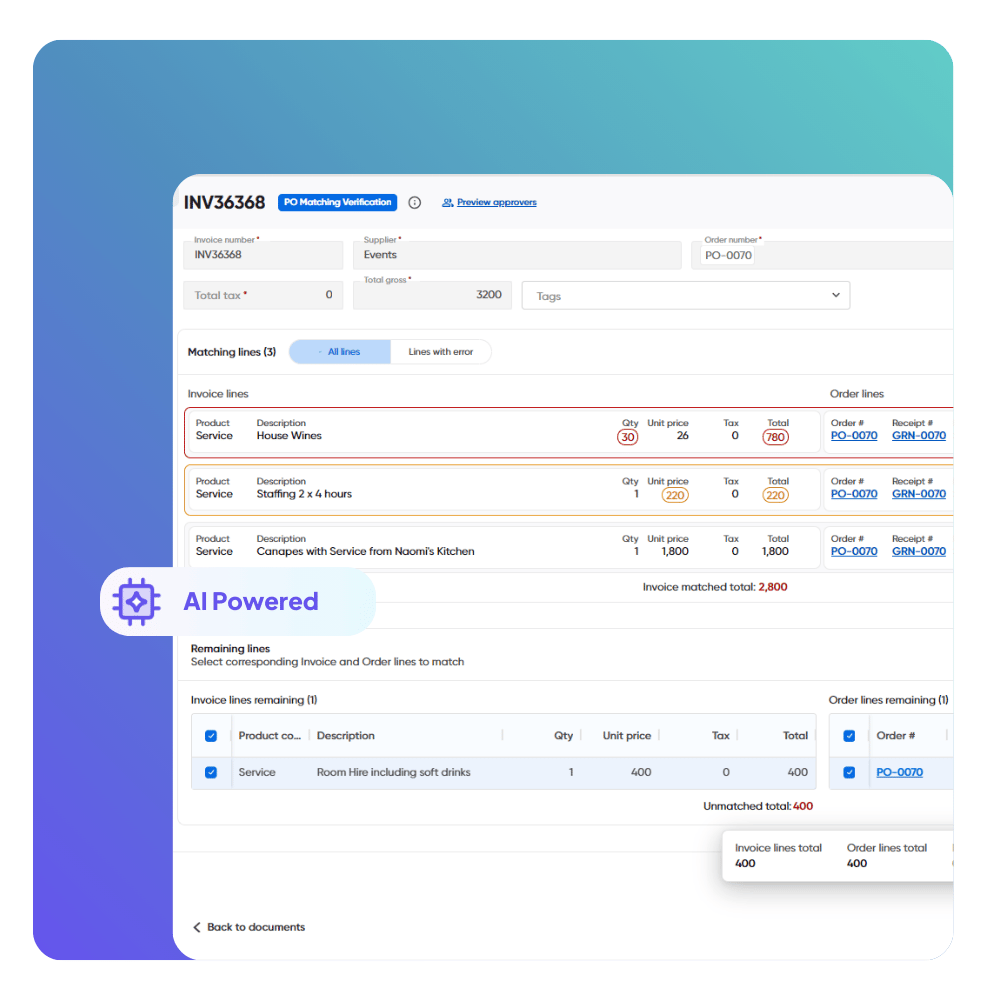
Prevent payment errors and speed approvals with 2- and 3-way matching across invoices, POs, and goods receipts. 

  • Line-level AI matching with fast discrepancy prompts
  • Automatic flagging of mismatches
  • Fewer manual reviews and delays
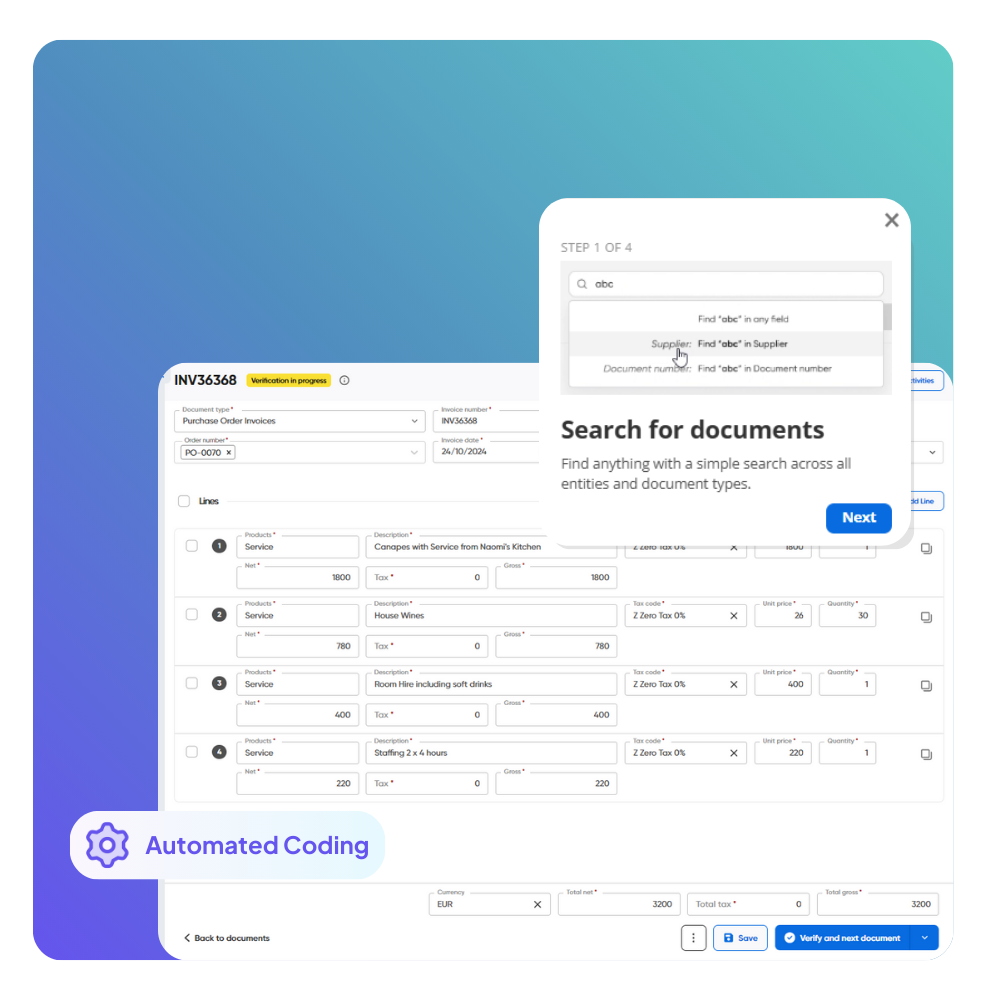
Flexible Invoice Coding Automation

Flexible Invoice Coding Automation

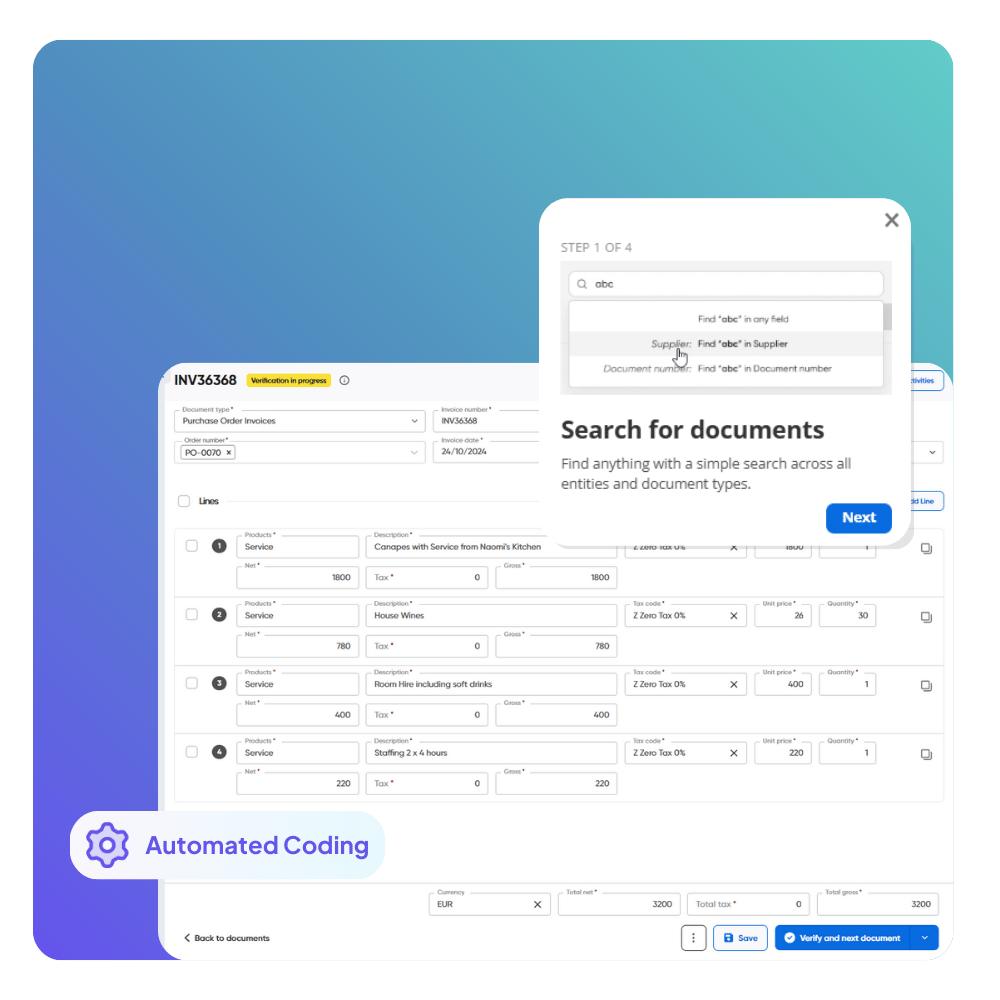
Eliminate manual coding with AI that learns from your past behavior and applies consistent financial data every time. 

  • AI-driven GL coding based on history.
  • Built-in PO creation and management.
  • ERP-ready output with accurate cost codes.
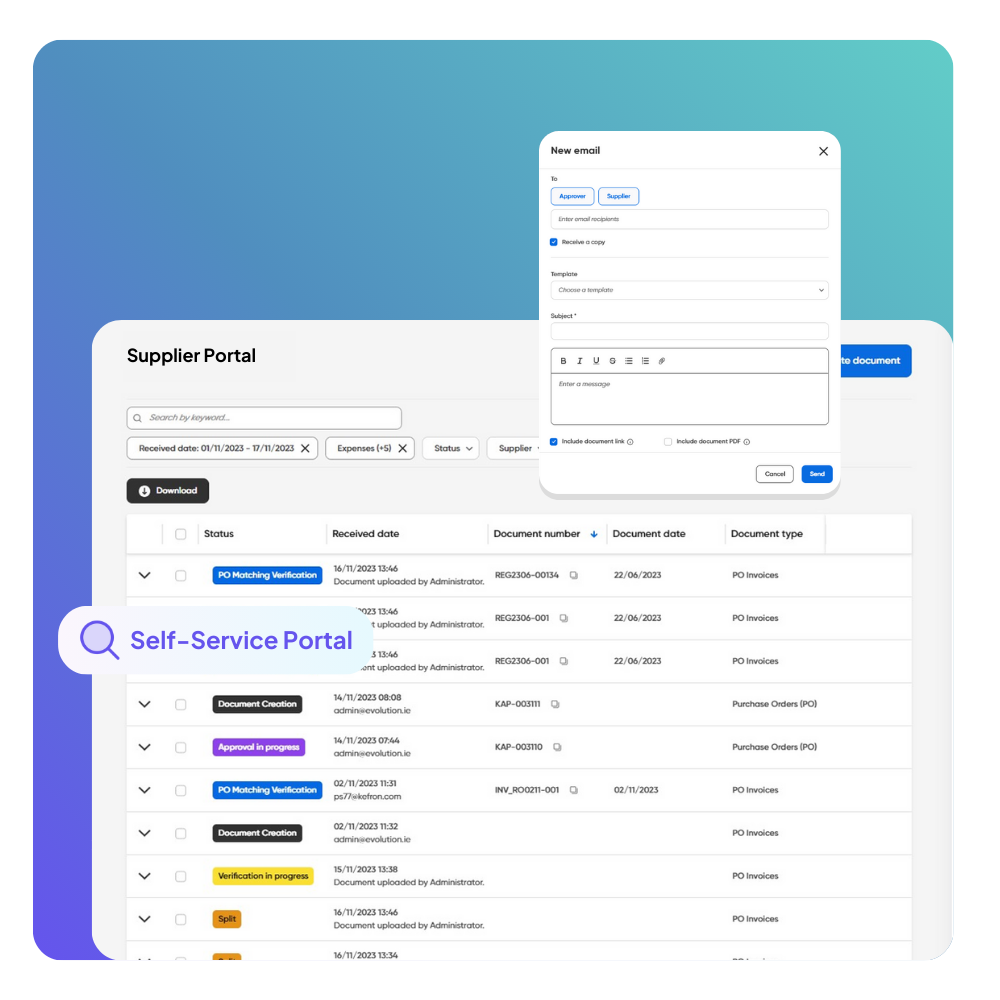
Supplier Self-Service Portal

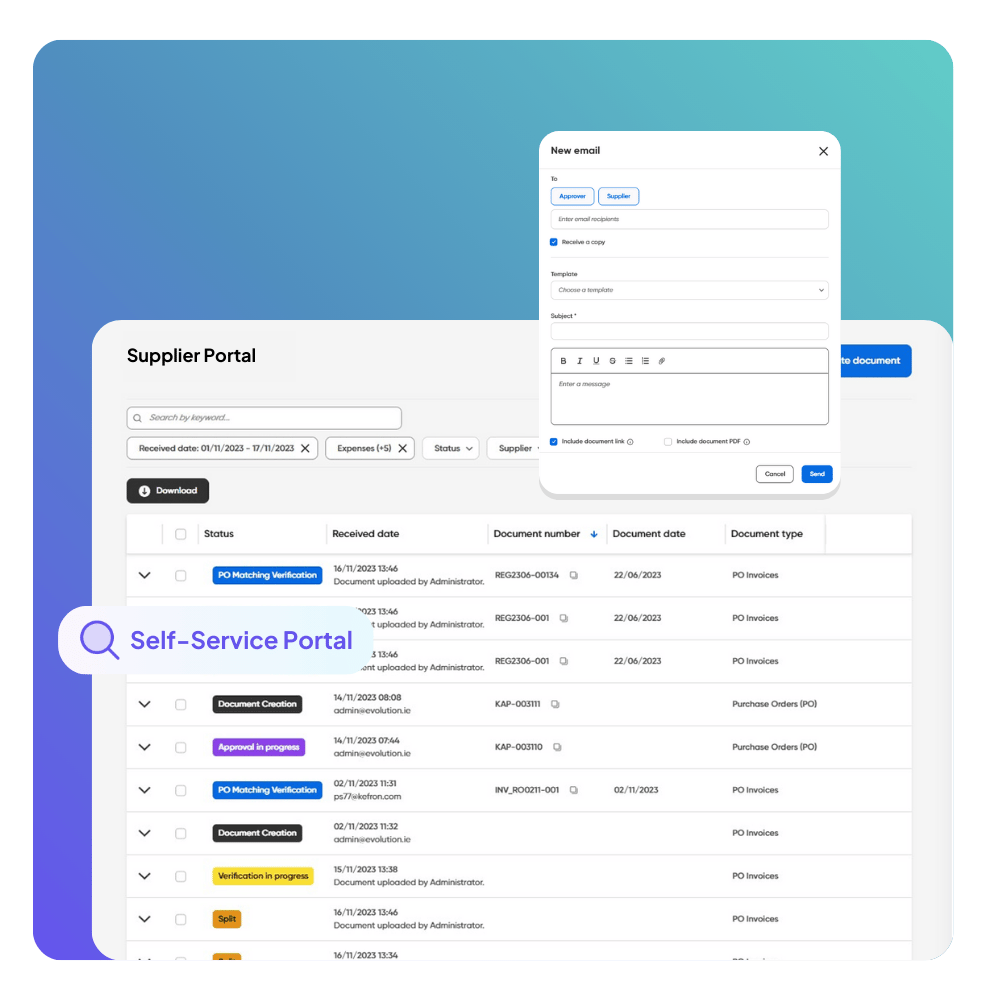
Supplier Self-Service Portal

Eliminate manual coding with AI that learns from your past behavior and applies consistent financial data every time. 

  • AI-driven GL coding based on history.
  • Built-in PO creation and management.
  • ERP-ready output with accurate cost codes.
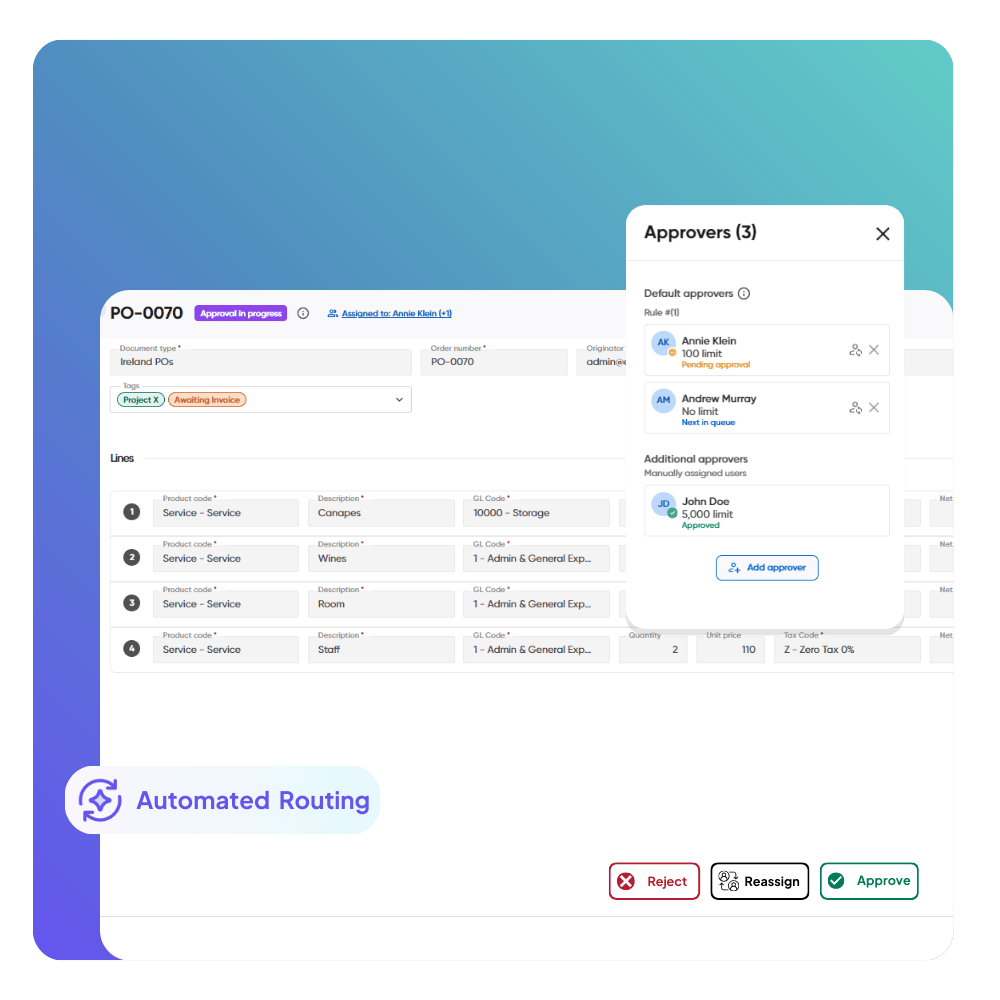
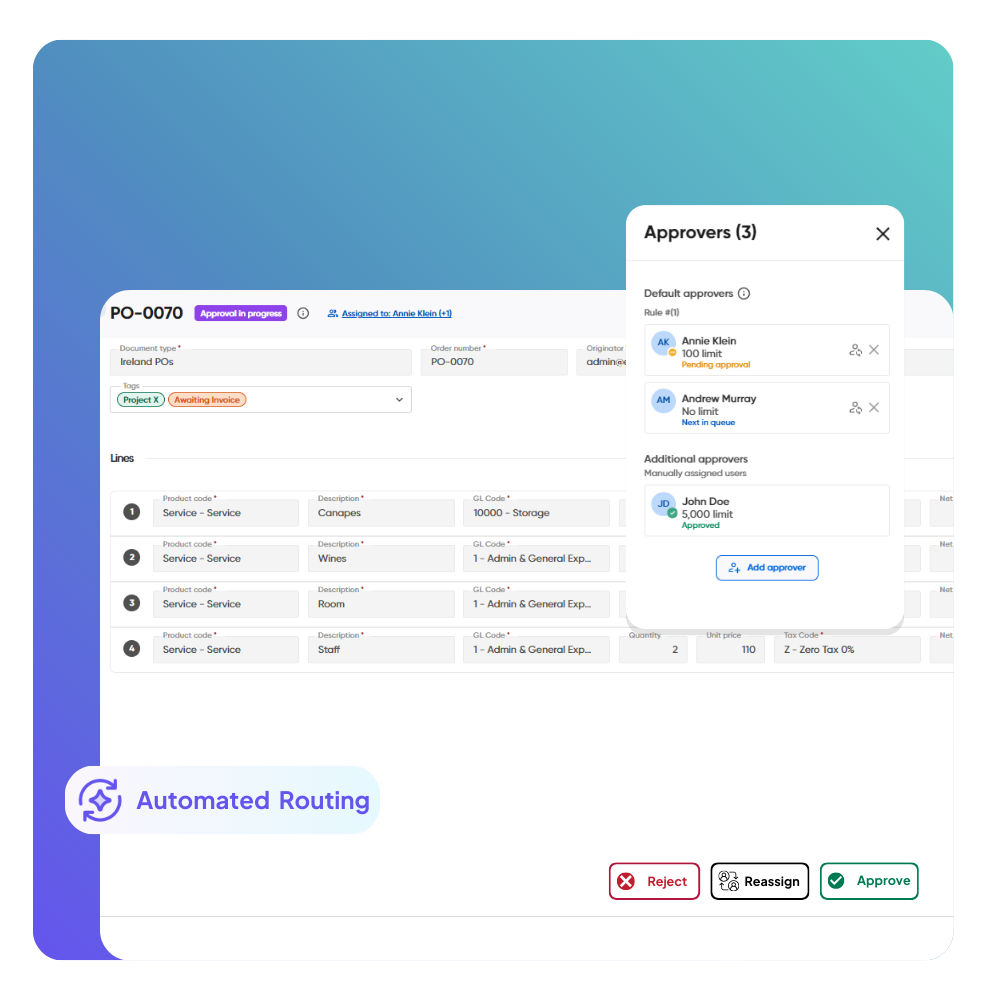
Smart Workflows & Approvals

Smart Workflows & Approvals

No more chasing emails. Route invoices automatically based on your rules, values, and structure.

  • Route by vendor, value, department, or entity.
  • Cut approval cycles from days to hours.
  • Full audit trail with timestamped actions.
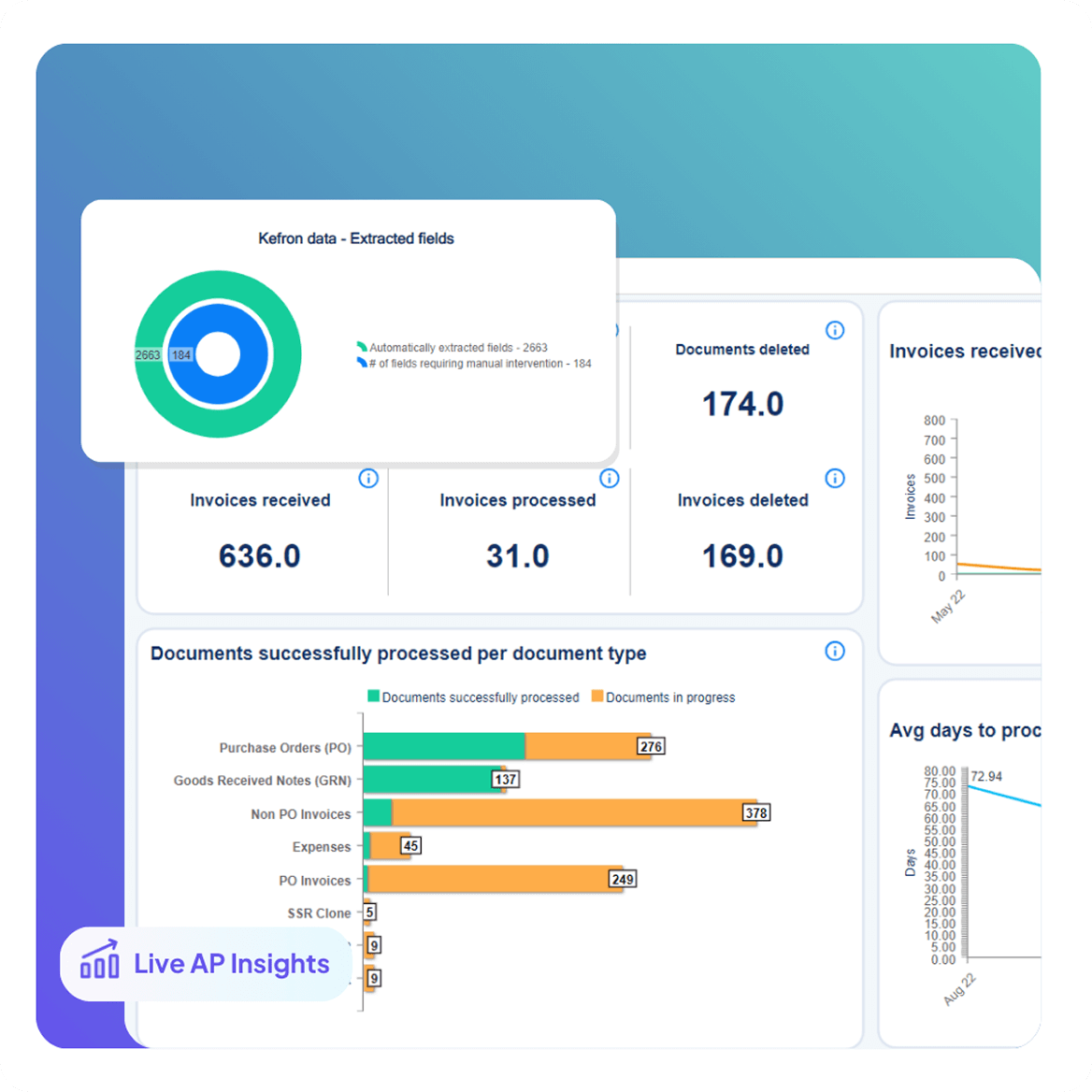
Dashboards & Audit Compliance

Dashboards & Audit Compliance

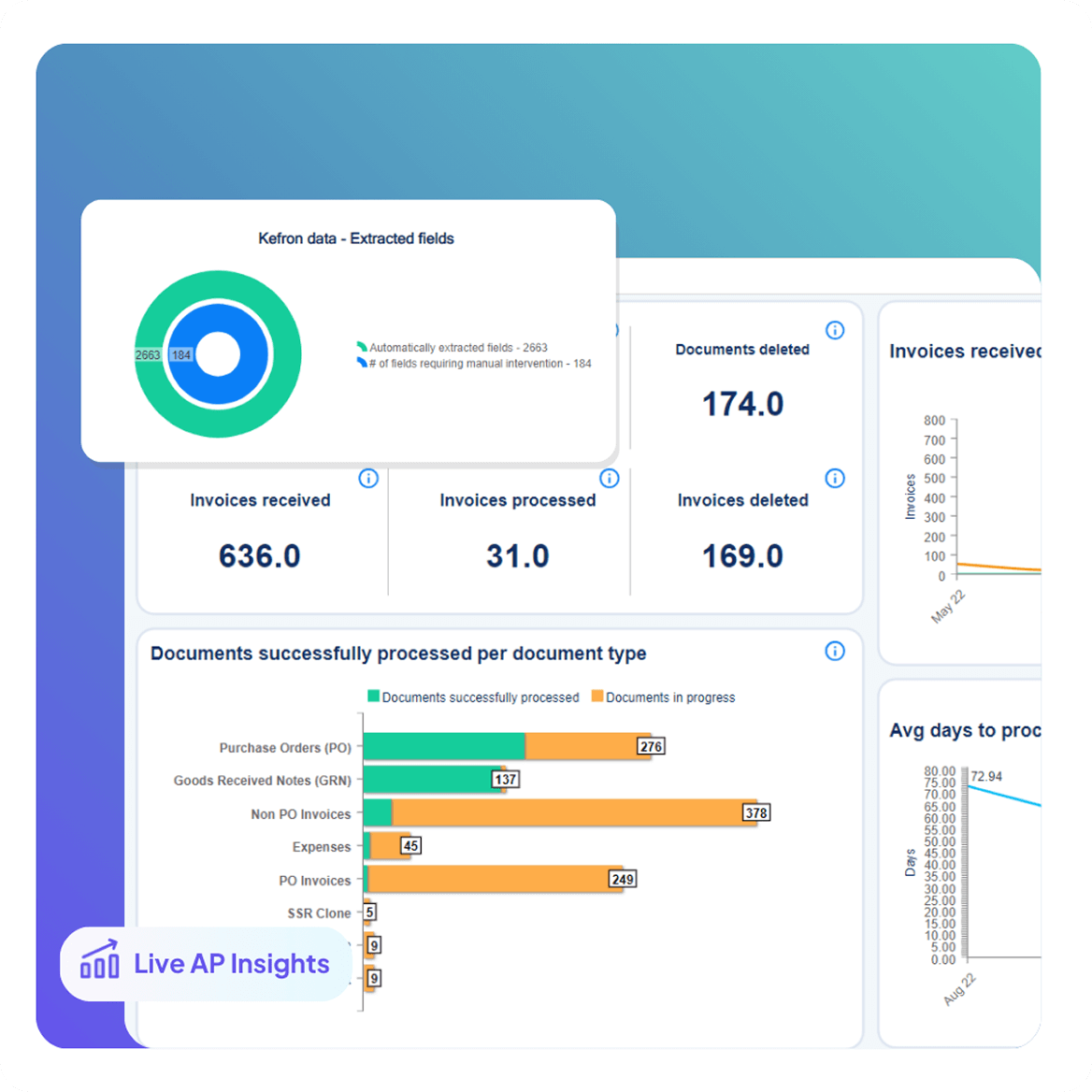
Gain complete visibility and stay audit-ready with dynamic reporting in real time and compliance tools. 

  • Track bottlenecks, processing times, and SLAs.
  • Searchable invoice archive for reviews.
  • Compliant with e-invoicing and tax authority rules.

Why Finance Teams Choose Kefron for Automating Accounts Payable

Kefron AP supports organisations navigating ERP migration, post merger finance integration, and high volume invoice processing environments.

Confidence Over Hype

We don’t trade in hype. We deliver what matters: predictable rollouts, clear pricing, and expert support every step of the way.

Media (5)
Icons Line (2)

Kefron AP Automation That Works With Your ERP

Kefron AP connects to your ERP via real-time API or Kefron Konnect, secure file transfer, ensuring invoice data synchronises automatically without manual re-entry.

CASE STUDIES:

Real Results from Real Finance Teams

See how finance leaders have reduced costs, improved accuracy, and gained complete visibility with accounts payable automation. 

Resources to Help You Automate Smarter

Explore expert insights on Finance Process Automation. Access our latest guides, articles, and
events to help your team work smarter, faster, and with complete confidence.

Frame 48095663 (13)

Guides

In-depth resources to support your automation journey.

Frame 48095663 (14)

Articles

Expert commentary and updates on Finance Automation.

Frame 48095663 (15)

Events

Webinars and events with industry insights.

Ready to Start Automating Accounts Payable?

Don’t let manual invoice processing delay ERP migration, weaken post merger finance integration, or restrict finance transformation progress. See how automating accounts payable with Kefron AP delivers scalable, controlled, and measurable results.

retail-cta

Frequently asked questions:

When should you automate accounts payable during business growth or ERP migration?

You should consider automating accounts payable when invoice volumes increase faster than team capacity, or when planning an ERP migration. Rapid business growth, system upgrades, and multi-entity expansion introduce complexity that manual processes cannot scale with. Automating accounts payable ensures continuity, accuracy, and visibility during periods of operational change.

How does AP automation handle high volume invoice processing without adding headcount?

AP automation uses AI-driven invoice capture, automated approval routing, and touchless PO matching to process large invoice volumes efficiently. By eliminating manual data entry and reducing approval delays, high volume invoice processing becomes scalable without increasing headcount or operational costs.

How does AP automation integrate with ERP systems during migration?

Modern AP automation platforms integrate with ERP systems through secure APIs or file-based connections. During ERP migration, automating accounts payable ensures invoice data synchronises automatically, maintains audit trails, and prevents manual re-entry. This reduces implementation risk and supports clean system transitions.

What quick wins does AP automation deliver for new CFO-led finance changes?

For new CFOs, automating accounts payable delivers immediate improvements in processing speed, cost per invoice, and financial visibility. It provides real-time reporting, strengthens governance, and reduces manual dependency — creating measurable early wins within broader finance transformation initiatives.

When do manual AP processes fail during rapid business expansion?

Manual AP processes fail during rapid expansion when invoice volumes exceed team capacity, approval cycles lengthen, and reporting becomes delayed. High growth environments expose bottlenecks, compliance gaps, and visibility limitations. Automating accounts payable prevents these failures by providing scalable infrastructure.

Why is automating accounts payable essential for post-merger finance integration?

Post merger finance integration often combines different entities, approval hierarchies, and ERP systems. Manual accounts payable processes create data inconsistencies and reporting delays. Automating accounts payable standardises workflows, centralises invoice data, and improves financial visibility, making integration faster, more controlled, and audit-ready.

What are the benefits of automating accounts payable during finance transformation?

During finance transformation initiatives, automating accounts payable delivers measurable improvements in cost control, reporting accuracy, compliance, and process efficiency. It reduces invoice cycle times, strengthens internal controls, and provides real-time financial visibility, enabling finance leaders to demonstrate early ROI within broader transformation strategies.

Can automating accounts payable reduce approval bottlenecks and compliance risks?

Yes. Automating accounts payable replaces email-based approvals with structured, configurable workflows. This reduces bottlenecks, enforces approval hierarchies, and ensures compliance controls are consistently applied across entities. The result is faster processing, fewer errors, and lower audit risk.

How does AP automation unify workflows across entities after a merger?

After a merger, AP automation centralises invoice processing across entities while maintaining configurable approval rules. It standardises workflows, eliminates duplicate vendors, and ensures consistent reporting structures, supporting effective post merger finance integration and operational alignment.

How does automating accounts payable improve visibility and cash flow control?

Automating accounts payable provides real-time dashboards, automated tracking, and accurate liability reporting. This improves cash flow forecasting, reduces late payments, and gives finance leaders greater control over working capital, particularly during ERP migration or high growth periods.