Transforming Retail Finance Operations
Retail growth brings complexity, and environmental impact. At Regatta, manual invoice processing generated over 212,000 sheets of paper annually, contradicting wider sustainability commitments. By embracing retail accounts payable automation, Regatta moved to a paperless AP process, aligning operational efficiency with environmental goals.

Why Retail Accounts Payable Automation Matters
Manual invoice processing creates errors, delays, and paper waste. Retail accounts payable automation supports business growth by enabling

High-accuracy invoice capture powered by AP automation
Seamless integration with existing retail finance systems
Structured Approval & PO Workflows to reduce risk
A move to paperless, eco-efficient AP operations
Clear, Predictable Pricing With Proven ROI
Specialist AP expertise beyond ERP add-ons
The Impact of AP Automation for Retail Finance
When retail operations scale, finance must remain agile and environmentally conscious.

Greater Efficiency
Retail accounts payable automation shortens invoice cycles and reduces manual workload.

Improved Accuracy
Automated validation minimises errors, reduces exceptions, and strengthens data reliability.

Sustainability Impact
Paperless invoice processing reduces waste and supports environmental targets alongside operational efficiency.

Better Financial Visibility
Real-time insight into liabilities and spend supports faster, more informed decisions.

Scalable Operations
Automated accounts payable creates infrastructure that grows with the organisation.

Faster, Data-Driven Decisions
Dashboards surface inefficiencies early, helping finance leaders stay ahead of growth pressures.

Integration with Existing Finance Systems
Retail accounts payable automation must work seamlessly with existing ERP and finance platforms, without heavy IT lift.










Resources:
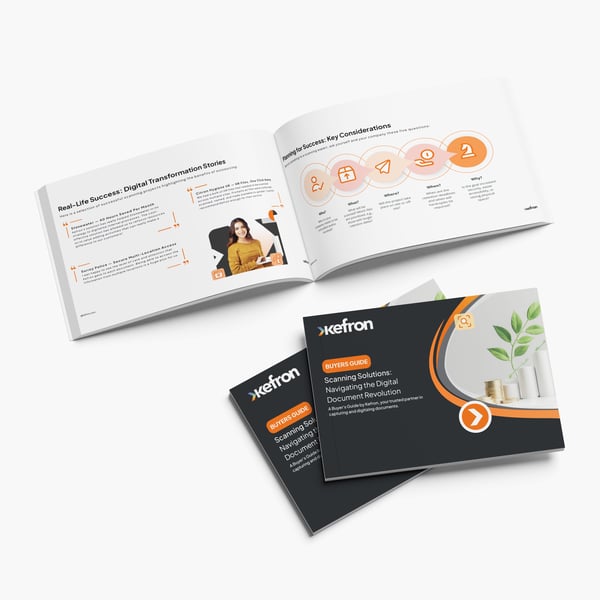
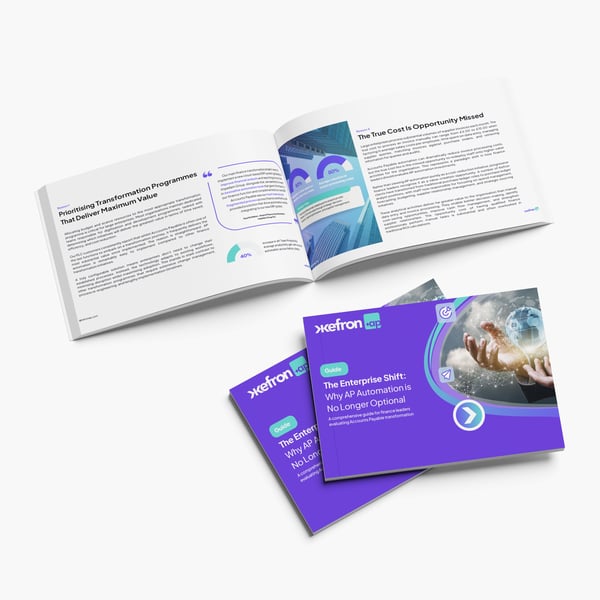
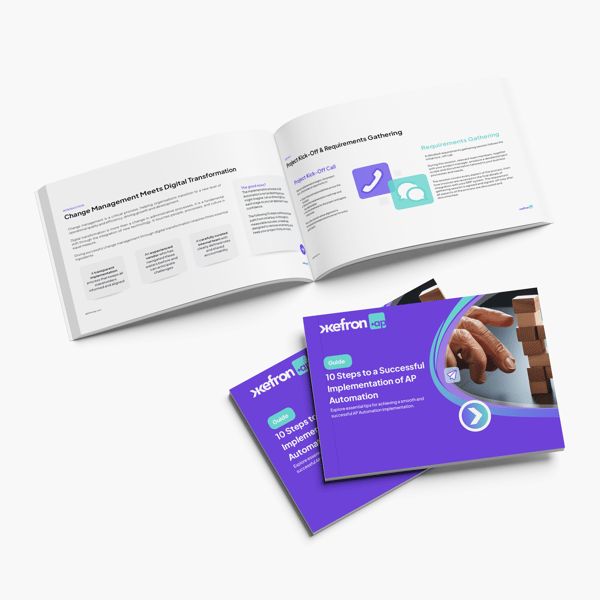
Explore Invoice Automation Guides
Access practical guidance on implementing AP automation for retail, reducing errors and paper waste, and scaling invoice processing efficiently.

Build a Leaner, Greener Retail Finance Team
Retail accounts payable automation is not about replacing your team, it’s about empowering them with faster processes, stronger control, real-time insight, and a more sustainable AP function.

Frequently asked questions:

What is retail accounts payable automation?
Retail accounts payable automation is software that digitises invoice capture, approval workflows, matching, and reporting across retail finance operations. It replaces manual processing with automated validation and ERP integration, enabling retailers to manage high-volume supplier invoices accurately and efficiently.
Why do retail businesses need AP automation?
Retail businesses face seasonal spikes, complex supplier networks, and tight margins. Manual invoice processing creates delays, errors, and cash flow strain. AP automation for retail improves processing speed, strengthens vendor relationships, and supports profitability by reducing operational inefficiencies.
How does automated accounts payable improve cash flow in retail?
Automated accounts payable provides real-time visibility into liabilities, payment schedules, and supplier terms. This enables retailers to optimise payment timing, manage DPO strategically, and preserve working capital for inventory and growth initiatives.
Can retail accounts payable automation handle multi-store or high-volume operations?
Yes. Retail accounts payable automation centralises invoice workflows across multiple stores, entities, and suppliers. It scales during peak seasons and integrates with ERP and inventory systems to ensure consistent oversight and control.
How does AP automation reduce errors in retail invoice processing?
AP automation validates invoices against purchase orders, flags duplicates or discrepancies, and integrates directly with retail ERP systems. This reduces manual entry mistakes, minimises disputes, and improves data accuracy across the accounts payable function.
What features matter most in AP automation for retail?
Key features in AP automation for retail include automated invoice capture (OCR), ERP integration, configurable approval workflows, real-time reporting, and supplier portals. Retail-specific solutions must also handle seasonal volume spikes and multi-entity structures.