

Why These Finance Trends Matter
Accounts payable trends are no longer incremental improvements, they represent structural shifts in how finance operates.
Organisations that fail to adapt face rising processing costs, limited visibility into liabilities, increasing compliance exposure, and continued dependence on manual work. Over time, these pressures compound and restrict performance.
By contrast, finance teams that embrace automation and digital transformation are building faster, more controlled, and more resilient operations.

Core Capabilities Behind Today’s Finance Trends
To stay aligned with evolving AP trends, organisations are prioritising automation, integration, and stronger operational control. Modern accounts payable trends emphasise:

High-Accuracy Capture enabled by AP automation
Seamless ERP Integration for connected finance operations
Structured Approval & PO Workflows to reduce risk
Transparent implementation and UAT support to de-risk rollout
Clear, Predictable Pricing With Proven ROI
Specialist AP expertise beyond ERP add-ons
The Impact of Finance Trends on the AP Function
Finance trends are accelerating the shift toward automation across the finance function. Within accounts payable, AP automation has become central to responding to rising volume, cost pressure, and demands for greater visibility.

Greater Efficiency Through AP Automation
AP automation reduces manual workload and shortens invoice cycles, helping accounts payable teams operate faster and more consistently.

Improved Accuracy
Automated validation and structured workflows reduce errors and limit costly exceptions across accounts payable processes.

Stronger Controls and Audit Visibility
Digital approval routing and audit trails strengthen compliance and improve governance.

Better Financial Visibility
Real-time tracking provides clearer insight into liabilities, bottlenecks, and performance.

Scalable Operations
As invoice volumes grow, automation enables accounts payable teams to scale without proportional increases in cost.

Faster, Data-Driven Decisions
Dashboards highlight delays and inefficiencies early, supporting stronger finance management.
Testimonials:
Real Outcomes for Accounts Payable Teams

Integration with Existing Finance Systems
As finance trends accelerate digital transformation, AP automation must integrate seamlessly with existing ERP and finance platforms, without disruption or heavy IT involvement.










Resources:
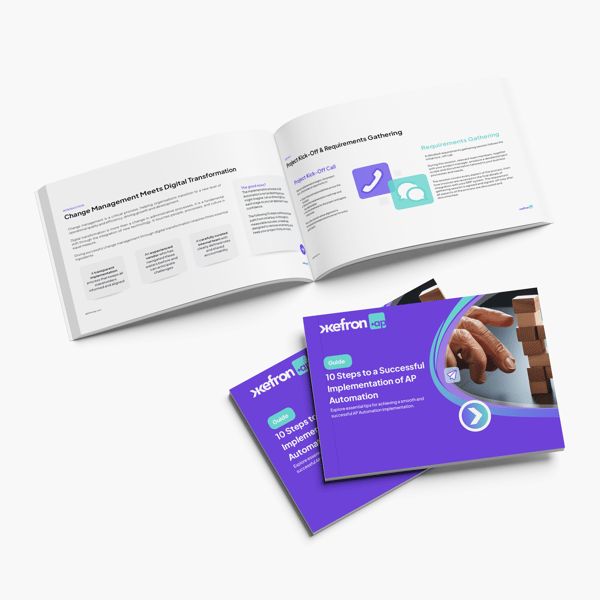
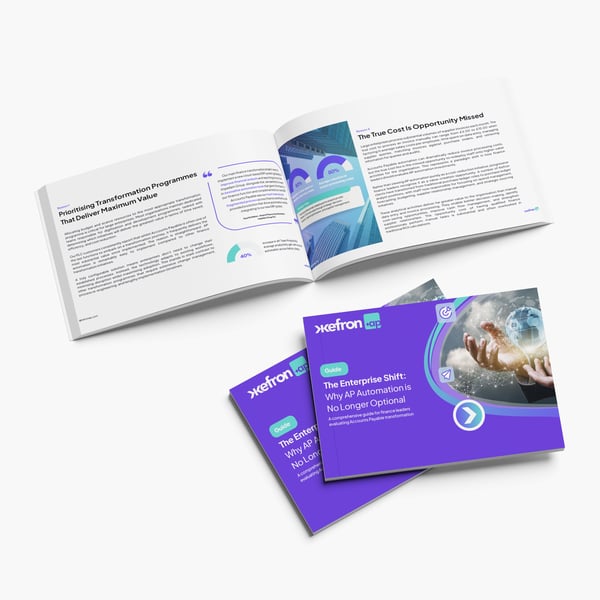
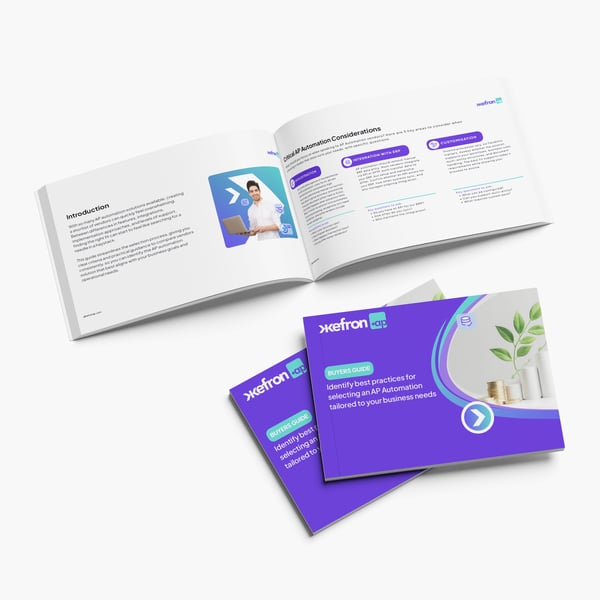
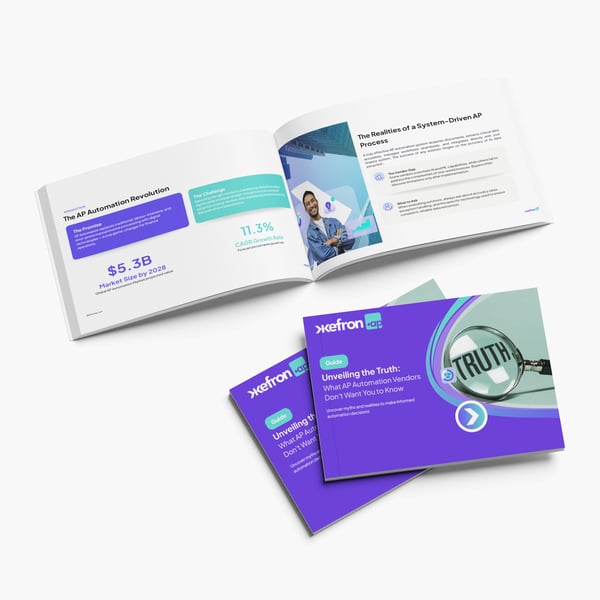
Explore AP Automation Guides
Stay ahead of evolving AP trends with practical guidance designed for modern finance teams.


Transform Accounts Payable with Confidence
Finance trends are redefining expectations of the AP function. AP automation is not about replacing finance teams, it’s about enabling stronger control, faster processing, and better financial visibility.

Frequently asked questions:

What are the key finance trends shaping organisations today?
Key finance trends include increased automation, real-time data and analytics, AI-driven forecasting, tighter cash-flow control, and stronger compliance oversight. These finance trends are pushing organisations to modernise core processes, particularly in accounts payable, where AP automation improves efficiency, visibility, and scalability.
Why are finance trends increasingly focused on automation and AI?
Finance trends are focused on automation and AI because manual processes cannot keep pace with growing transaction volumes and real-time reporting demands. AP automation reduces errors, accelerates month-end close, and provides structured data that supports faster, more accurate financial decision-making.
What are the biggest AP trends finance leaders should watch?
The biggest AP trends include end-to-end invoice automation, touchless processing, ERP integration, and standardised workflows across entities. These accounts payable trends reflect broader finance trends aimed at improving control, reducing cost, and increasing operational transparency.
How are accounts payable trends changing traditional invoice processing?
Accounts payable trends are shifting invoice processing from manual, email-based workflows to digital capture, automated matching, and policy-driven approvals. This transformation shortens cycle times, improves accuracy, and provides real-time visibility into liabilities and cash flow.
Why is AP automation such a critical finance trend right now?
AP automation is a critical finance trend because it directly impacts working capital, supplier performance, and scalability. By reducing manual workload and improving data accuracy, AP automation enables finance teams to handle growth without increasing headcount.
How should CFOs respond to emerging finance and AP trends?
CFOs should develop a structured roadmap aligned with current finance trends, prioritising AP automation, real-time reporting, and process standardisation. Investing in automation and analytics ensures accounts payable supports broader finance strategy rather than limiting it.